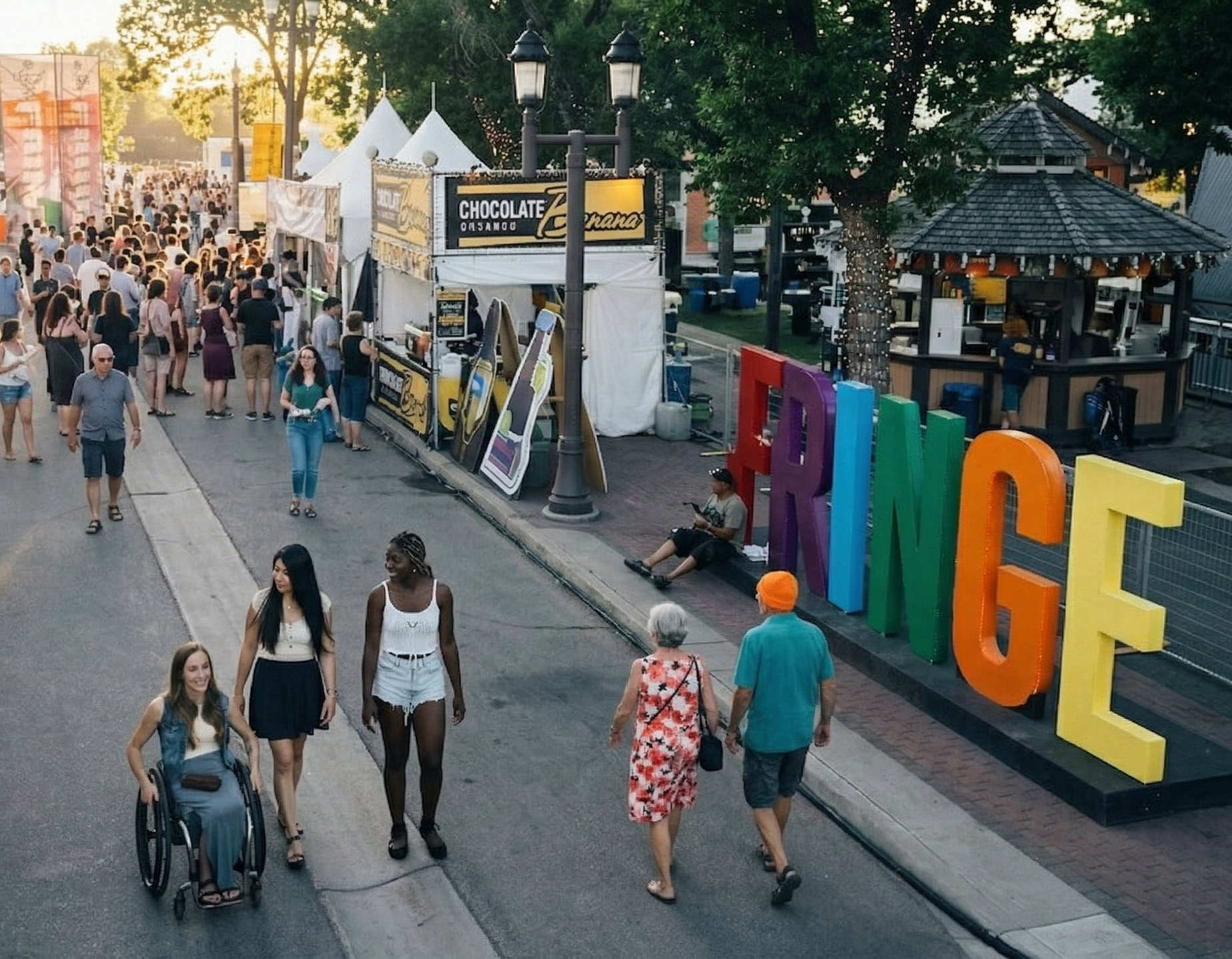
The Story of an Event and a Neighbourhood
Edmonton International Fringe Theatre Festival and Whyte Avenue
In 1982, Edmonton launched its own Fringe Festival, becoming the first of its kind in Canada. Stretching from Victoria to Montreal, these festivals have become vital spaces for exploring themes of identity, place, and their intersections. The Edmonton International Fringe Theatre Festival, North America's oldest and largest Fringe Festival, is a cornerstone of artistic expression and cultural vibrancy, drawing audiences each August to Edmonton's Old Strathcona neighbourhood and Whyte Avenue. From the 1960s to the 1980s, Old Strathcona emerged as an epicentre of social resistance to modernist urban development, preserving its distinctive character and shaping Edmonton's spatial and social trajectory. However, this preservation is only one part of a larger co-evolution. The relationship between the Fringe Festival, Whyte Avenue, and the city of Edmonton is marked by overlapping feedback loops, mutual dependencies, spatial, social, and economic. Each influenced and was influenced by the others in their own processes of identity formation. Edmonton, after early self-organizing efforts, looked to Whyte Avenue and the Fringe Festival to fulfill broader urban ambitions. Whyte Avenue, in turn, developed into a theatre and cultural district in part because of the Fringe Festival's presence, while the Fringe Festival benefited from and suffered due to the area's changing fortunes, from municipal support to rising costs. This reciprocal evolution reveals a deeper entanglement of place and performance. The ongoing planning and development of Whyte Avenue cannot be understood in isolation from its history with the Fringe Festival and the city, all three in flux and negotiating roles, visibility, and meaning. How has the preservation of Old Strathcona and Whyte Avenue influenced the Fringe Festival's role in shaping Edmonton's social and spatial dynamics? In what ways do the interactions between artists, organisers, and audiences at the Fringe Festival reflect broader societal shifts? Today, this vibrant area serves as a dynamic site where community identities are negotiated, and theatre moves beyond its traditional boundaries. Viewing the Fringe Festival solely as an artistic event overlooks its embeddedness in the city's topography and its participation in a wider co-constitutive process linking cultural practice, social identity, and urban transformation. While the Fringe Festival is undeniably a celebration of the arts, its influence on Whyte Avenue extends far beyond theatre, shaping and being shaped by the neighbourhood through an ongoing, complex, and evolving relationship.
Preface
This thesis is an original, unpublished, and unfunded work by Konstantinos Koukouzikis. The research project, of which this thesis is a part, received research ethics approval from the University of Alberta Research Ethics Board, Study Title: "The story of an event and a neighbourhood: Edmonton International Fringe Theatre Festival and Whyte Avenue", Study ID: Pro00083638, Approval Date: May 29, 2019.
Acknowledgments
First and foremost, I am grateful to my parents, whose unwavering support has been the bedrock of my journey. Their belief in me has provided continuous motivation throughout the course of this thesis.
I extend my appreciation to my supervisors, Bob Summers and Kristof van Assche. Their invaluable wisdom, and scholarly insight have been instrumental in shaping this work. I am deeply indebted to them for their constant understanding and commitment to excellence.
A heartfelt thank you to my ex for bringing my thesis home.
To my friends, your camaraderie and confidence in my abilities have sustained me through the challenges of this academic pursuit.
I owe a special thanks to Gigi, my feline companion, whose comforting presence during long hours of writing has been a source of solace. Your soothing purrs have provided much-needed comfort.
To those who questioned me along the way, your critiques have been pivotal in shaping my perspective and refining my approach. Each interaction has fortified my scholarly resolve and growth. To those who briefly crossed my path, your fleeting presence has left a lasting impact, contributing to my overall development as life moves forward.
Lastly, I acknowledge cancer, a formidable adversary that has imparted profound lessons in antifragility and the importance of focusing on what truly matters in life. This experience has underscored the urgency and purpose of my endeavours.
In conclusion, this thesis stands as a testament to the collective support, creativity, inspiration, and transformative experiences that have shaped both my academic and personal journey.
Act 1: Setup
1.1 Prologue: The Playbill of This Thesis
The Edmonton International Fringe Theatre Festival (the "Fringe Festival") is more than an arts event; it is a defining force in Whyte Avenue's identity. This thesis explores the co-evolution of the Fringe Festival and Whyte Avenue, examining their intertwined histories within the context of modern urban life. It investigates the festival's impact on Whyte Avenue, within Old Strathcona, from its inception to the present, moving beyond a simple view of the event as performance to analyse its topographical imprint, its influence on place identity and the processes of festivalisation. Using diverse sources, including Fringe Festival publications and data, volunteer perspectives, City of Edmonton documents, local media, and observations this research analyses how modernity, manifested through gentrification, and evolving urban ideologies, has shaped, and been shaped by, the Fringe Festival's presence on Whyte Avenue.
The objectives of this research are to:
1) trace the historical narrative of Whyte Avenue, both before and after the Edmonton International Fringe Theatre Festival's launch,
2) analyse the factors within the Edmonton Fringe Festival that have influenced its relationship with Whyte Avenue,
3) assess the festival's long-term impact on Whyte Avenue's development, considering its contribution to Edmonton's cultural identity and its reflection of broader global trends.
This thesis unfolds in three acts. In Act 1: Setup, the research framework is established, providing a historical backdrop for both the Fringe Festival and Whyte Avenue. This section outlines the methodology and delves into the intersection of identity, culture, and urban transformation. Theoretical perspectives on place identity explore how Whyte Avenue's character has been shaped by the Fringe Festival and evolving influences, revealing how festivalisation contributes to its shifting urban development and cultural landscape within the context of modernity.
Act 2: Confrontation presents the core findings, focusing on the interwoven evolution of Whyte Avenue and the Fringe Festival. It unpacks the historical shifts, tensions, and transformations shaping their relationship, examining the festival's influence on Whyte Avenue's social, cultural, and economic character, while simultaneously considering how the avenue's changing landscape and policies have shaped the festival's growth. This chapter traces the complex interplay between commercialisation and grassroots creativity, illustrating how the event and the neighbourhood have alternately supported and constrained each other. At times, the success of one has created challenges for the other, such as when increased foot traffic during the festival led to business booms but also logistical strains on the local infrastructure. Conversely, there have been instances where mutual success was achieved, though only in specific ways, such as the festival's role in increasing Whyte Avenue's cultural capital while also exacerbating tensions around gentrification and affordability.
The chapter also delves into the temporary and permanent aspects of festival culture and how these elements redefine public space. The festival's ephemeral nature introduces a dynamic, experimental element to the avenue, testing new forms of engagement and place-making. At the same time, the neighbourhoods' ongoing transformations, driven by development policies, economic trends, and cultural shifts, have imposed constraints and opportunities on the event's identity and operations. Throughout, the chapter incorporates relevant theoretical perspectives to explain the mechanisms at play within the narrative of Whyte Avenue and the Fringe Festival's co-evolution. By examining these dimensions, the chapter demonstrates how their relationship is not merely one of mutual benefit or conflict but a nuanced, shifting interplay where progress, tension, and transformation are in constant negotiation.
Finally, in Act 3: Resolution, the study's findings are synthesised, exploring their implications for Whyte Avenue and the broader understanding of festivals in urban development. Focusing on the exchange between the Fringe Festival and Whyte Avenue, their story underscores the importance of community engagement and the balanced growth that preserves the area's character while ensuring shared benefits. This growth requires embracing diverse urban practices, even amidst evolving interpretations. The story of Whyte Avenue and the Fringe Festival, like storytelling itself, explores shared values, addresses social issues, and strengthens community connections.
Using Whyte Avenue and the Fringe Festival as a compelling case study, this thesis contributes to urban studies discourse on the reciprocal relationship between festivals and urban spaces, demonstrating how modern festivals can be powerful drivers of social change, cultural expression, and urban transformation. While the Fringe Festival and Whyte Avenue are tightly coupled, each moulding each other, this connection is neither absolute nor isolated. The festival's influence extends beyond its immediate setting, engaging with broader traveling ideas of urban experimentation and the intersections of arts and heritage. At the same time, external forces, from cultural policies to global trends in festivalization and economic development, shape both Whyte Avenue and the Fringe Festival in complex ways. This chapter provides a framework for understanding how cultural events shape urban spaces, neighbourhood identities, and community governance, emphasising their lasting impact beyond temporary animation and their enduring influence on identity, development, and governance.
1.2 An Event: Edmonton International Fringe Theatre Festival
One of the oldest and largest Fringe Festivals in North America, the Edmonton Fringe Festival has become a paragon of cultural vibrancy and artistic expression, held annually every August (Harding, 2021). This celebrated event transforms Edmonton into a bustling creative hub, with Festival sites accessible through entrances at 83rd Avenue & Calgary Trail, 83rd Avenue & Gateway Boulevard, and 85th Avenue between Calgary Trail and Gateway Boulevard. Its origins trace back to 1982, when Brian Paisley, an Edmonton-based actor, playwright, and artistic director of Chinook Theatre, sought to replicate the Edinburgh Fringe Festival's spirit in his hometown (Nicholls, 2013). The Fringe Theatre Festival, founded in Edinburgh, UK, in 1947, emerged from the exclusion of certain theatre companies from a major international festival. Inspired by Edinburgh's commitment to artistic freedom, Paisley envisioned Edmonton as a city ready for a festival that embraced creativity without constraints. His goal was to create a space where artists could showcase their work without the usual selection and censorship.
From the beginning, the Fringe Festival has adhered to the fundamental principles of the Fringe concept: an open, uncensored, and non-juried format. This approach promotes inclusivity, diversity, and experimentation in all forms of performative art. A defining feature of the festival is its support for artists, with 100% of net ticket sales going directly to them, ensuring that performers are the primary beneficiaries of their work. The festival's ethos is summed up in its official definition of "To Fringe": "To Fringe /'frinj/, (verb) is about enjoying a unique, evolving Edmonton experience; being swept up in an international artistic force to be reckoned with; taking an essential journey for every theatre lover; participating in a rite of passage for artists from around the world" (Fringe Theatre Adventures, 2019).
The first Festival in 1982 featured five venues and a variety of performances that set a new standard for cultural events in Edmonton (Chinook Theatre Society, 1991). The enthusiastic reception paved the way for future growth. By 1984, beer tents were introduced to foster casual interactions among artists, audiences, critics, and vendors (Levesque, 2022). In 1985, the festival expanded to include street performers and buskers, adding spontaneous entertainment. A significant milestone came in 1986 when it officially moved to Whyte Avenue. This location offered a central and pedestrian-friendly environment, enhancing accessibility and contributing to the economic revitalisation of the area. The festival's presence led to a thriving local business scene, with restaurants, cafes, bars, and boutiques flourishing during the event and beyond (MacDonald, 2017).
In 1992, it introduced the term B.Y.O.V- Bring Your Own Venue, allowing artists more independence in securing performance spaces and managing their production costs. This model provided additional opportunities for artists beyond traditional selection processes. In 1994, the Indoor Lottery Programme was established after an incident with a first-come, first-served applicant (Fringe Theatre Adventures, 2012). The Fringe Festival's impact is not limited to Edmonton (Hays, 2016). It has inspired festivals in other cities and countries, with artists from Australia, Mexico, Russia, Japan, the United Kingdom, Sweden, Belgium, Uganda, and Iran participating, further establishing its international reputation. In 1994, the Canadian Association of Fringe Festivals was founded, uniting thirty-four Fringe Festivals across North America, including eleven in the United States (Fringe Festivals, 2023). The festival has navigated various challenges, including financial and logistical issues, with the help of its dedicated volunteer community, proving its resilience and enduring appeal.
To become a volunteer, one should be 14 years of age or older; attend an orientation session; serve a minimum of 4 shifts during the 11-day festival; agree to and abide by the Volunteer Code of Conduct; and fulfil any additional requirements according to the needs of the different teams (Fringe Theatre Adventures, 2023). Submitting an application is the first step but induction is not always guaranteed.
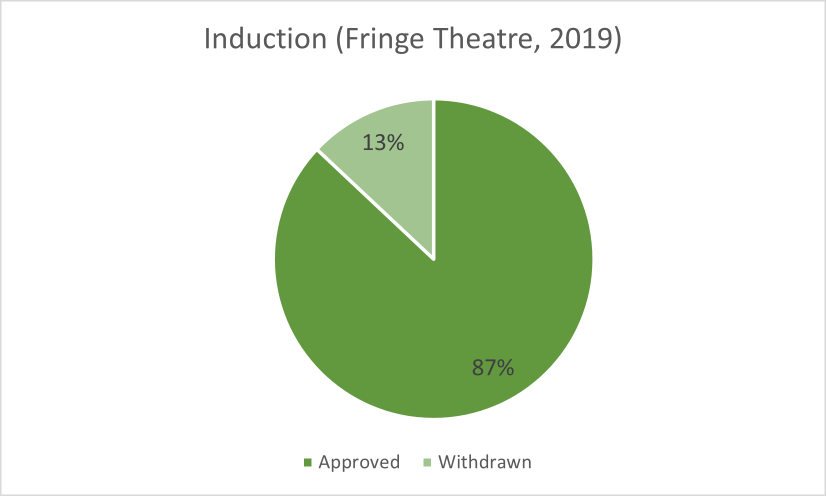
Figure 1: Induction (Fringe Theatre, 2019)
Over a significant portion of their volunteers have remained with them for over a decade. A successful applicant is rewarded with show tickets and merchandise of the festival, meals and snacks. Whether someone will be a regular volunteer, or a team leader is dependent on the years of experience and affiliation they have with the festival.
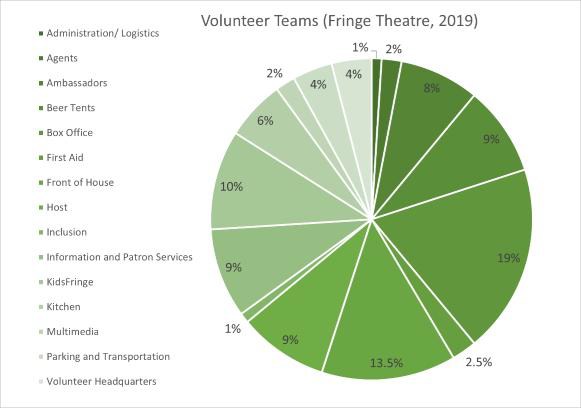
Figure 2: Recruitment (Fringe Theatre, 2019)
The volunteers have been the backbone of it, comprising different teams. The Administration/ Logistics teams oversee the overall operation, organisation and communication of the festival. The Agents team works behind the scenes recording financial matters. The Ambassadors team offers roaming support to patrons, artists and volunteers during the festival. Volunteers on the Beer Tents team manage the sale and service of refreshments in beer and wine tents. The Box Office team works at the designated box office locations and is in charge of selling tickets to all shows. The First Aid team is behind the safety of patrons, artists, volunteers and staff. The Front of House team interacts with patrons and facilitates their admission in the various venues.
The Host Team is responsible for accommodating traveling artists. Volunteers of the Inclusion team assist with accessibility and vulnerable populations providing a safe space of dignity and respect. The Information Services team operates around the site offering directions, general assistance and selling festival guides. The KidsFringe team runs the festival's family-friendly mini-site called KidsFringe with activities catering to children. The Kitchen team prepares, serves and delivers meals and snacks to the volunteers throughout their shifts. The Multimedia team records the daily goings on, taking photos and videos, on and off site, promoting the festival. The Parking and Transportation team monitors crosswalks and parking lots. The Volunteer Headquarters (VHQ) team directs where each and every volunteer comes and goes during their shifts.
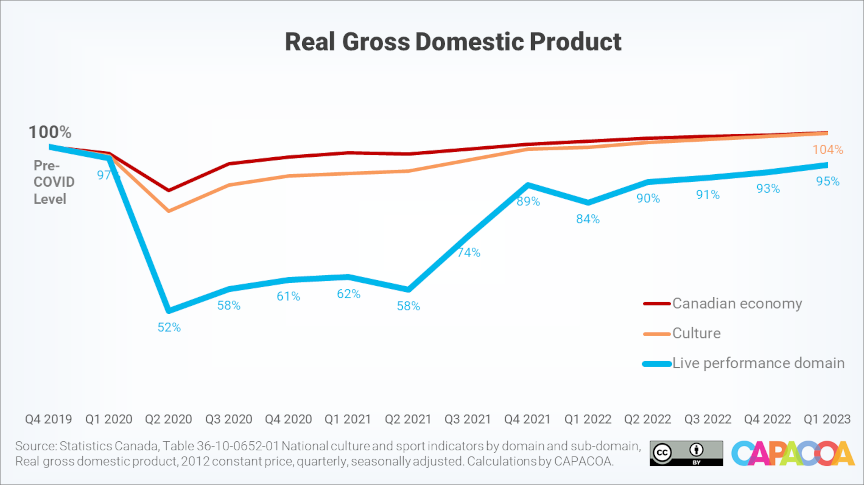
Figure 3: Volunteer Teams (Fringe Theatre, 2019)
Over the past 40 years, the festival has played a pivotal role in shaping Edmonton's identity as a culturally vibrant and creative hub. This evolution has nurtured a strong relationship with its host neighbourhood, Whyte Avenue. Despite challenges like the dissolution of the Soviet Union in 1992 and the COVID-19 pandemic in 2020, the festival has remained resilient, showcasing antifragility and creativity in navigating adversity (Fringe Theatre Adventures, 2022). With strong grassroots support, including welcoming visiting artists from Eastern Europe and adapting to the pandemic by moving performances online and creating safe, socially distanced experiences, the event upheld its reputation as a vital cultural institution. In the wake of record attendance and sales in 2023, the Edmonton International Fringe Theatre Festival is now appealing to its supporters for monthly donations to secure its long-term sustainability through the "Sustain Fringe" initiative (Antoneshyn, 2024). The cancellation of the 2020 festival resulted in a $3 million revenue loss for organisers. Initially, industry experts projected a recovery period of three to five years for the arts sector, but this timeline is now expected to stretch to a decade. Since 2019, the number of Canadian performing arts companies has decreased by 25.9%, while the number of promoters and festivals has fallen by 18.5% (CAPACOA, 2024). Additionally, 80% of charities are struggling with a steep increase in service delivery costs, with more than 57% experiencing a nationwide surge in demand (CanadaHelps, 2023).
Figure 4: Real Gross Domestic Product (CAPACOA, 2024)
From attracting 7,500 attendees in its inaugural year with ticket lines forming around venues, it now draws over a million visitors annually. This growth includes online ticket purchases, yet the festival remains true to its core principle of an open and non-juried format. As of January 2025, while the successful "Sustain Fringe" campaign has provided temporary relief, the festival's long-term financial stability remains uncertain (Wakefield, 2024). Support from individuals and local businesses showcases the community's dedication to preserving this cultural tradition for future generations. Overall, the Fringe Festival remains a testament to the power of artistic expression, community engagement, and the enduring impact of grassroots cultural initiatives (Gibson, 2022).
1.3 A Neighbourhood: Whyte Avenue
Old Strathcona is situated on the traditional lands of the Sarcee (Tsu-T'ina Nation) of the Blackfoot Confederacy and the Strongwood Cree Nation. Whyte Avenue, officially designated as 82nd Avenue, positioned on the southern bank of the North Saskatchewan River, constitutes a significant passage within Edmonton's Old Strathcona district (Strong, 2004). This vital artery extends from 109th Street to 99th Street and is distinguished by its early 20th-century architectural heritage, including a notable array of historic wooden and brick structures. Strathcona, originally an independent municipality, was incorporated into Edmonton in 1912 (City of Edmonton, 1981a). Presently, Lawrence Herzog's analysis underscores the historical significance of Strathcona, highlighting that it "boasts an amazing stock of vintage buildings - a virtual time capsule of the community's early vibrant years" (Edmonton Historical Board, 2021).
The development of Old Strathcona was substantially influenced by its railway connections. The decision by the Canadian Pacific Railway (CPR) to forgo the costly construction of a bridge across the North Saskatchewan River facilitated the expansion and growth of the area (City of Edmonton, 1981a). Whyte Avenue serves as a pertinent example of how strategic urban planning can profoundly impact the character of a neighbourhood and its community, providing essential insights for urban development at both local and broader levels (Alberta Community Development, 2000).
Since 1912, Strathcona has undergone significant transformations. Economic booms from 1913 to 1915 and from 1946 to 1950 fuelled housing and commercial development. In the 1960s, higher-density residential buildings were introduced. However, by the 1970s, the decline in rail transport and related industries led to many services and businesses relocating to Edmonton proper. Revitalisation efforts started in the 1980s with the Old Strathcona and Scona East Plans, emphasising residential and commercial projects (City of Edmonton, 1970). Trendy new shops appeared, and a collaborative effort among property owners, the city, and local businesses resulted in Edmonton's first property improvement programme.
From the 1960s to the 1980s, Whyte Avenue experienced a significant transformation due to a movement focused on preserving Old Strathcona's unique character. The impact of this movement is documented in the report "Strathcona: The Asset of Heritage - A Plan for the Future" (Strathcona Historical Group, 1973) and various planning documents, including the General Municipal Plans (City of Edmonton, 1963, 1967, 1972) and the Area Redevelopment Plan (City of Edmonton, 1981b). This movement brought substantial investments and support to groups such as the Old Strathcona Foundation- OSF, the Farmer's Market, and the Old Strathcona Business Association- OSBA. These groups led revitalisation projects with strong community leadership and contributed to the success of Whyte Avenue into the 1990s (Hingston, 2016). The OSF was instrumental in stopping large-scale redevelopment and revitalising Whyte Avenue. With its political influence and representation in City Council, the OSF's effective advocacy and community support prevented Whyte Avenue from being turned into a freeway with a strip mall.
The avenue's growing prosperity introduced challenges like increased traffic, parking problems, and redevelopment pressures. Conflicting area plans led to regulatory inconsistencies (City of Edmonton, 1998). In response, concerned citizens formed the Old Strathcona Area Community Council- OSACC in 1994. Representing ten interest groups, the council initiated the Whyte Avenue Land Use Planning Study (Old Strathcona Area Community Council, 1997). This study aimed to preserve the area's charm while addressing issues such as congestion and the impact of nightclubs. It differed from traditional planning approaches by emphasising community-driven engagement. Consensus-building and collaborative planning have been vital for shaping Whyte Avenue's future. Despite its strong sense of identity, the avenue is still susceptible to change, evidenced by events like the Fringe Festival, a recent bar and nightclub moratorium following the 2001 Canada Day riot, and fires impacting historic buildings (Wall, 2002).
While the city employs a broader approach to heritage management, including a Register and incentives for voluntary designations, the Whyte Avenue area presents a unique model. Here, preservation efforts are concentrated and driven by strong community involvement, setting it apart from other areas within Edmonton (Urban Planning Committee, 2022). Whyte Avenue in Edmonton stands as a unique example of successful historic preservation within a city that often prioritises modern development. This vibrant district, with its well-preserved collection of buildings, offers a living history of Edmonton's architectural evolution. Designated a historic district in 2007, Old Strathcona and Whyte Avenue face ongoing challenges in balancing the preservation of their heritage with the demands of contemporary urban life (City of Edmonton, 2025a).
1.4 Director's Notes: Methodology & Approach
This research explores the role of festivals in the revitalisation of neighbourhoods and broader processes of social and spatial reinvention. Using the Fringe Festival as a case study, this study examines how the festival interacts with rapid urban changes and the transformation of both the neighbourhood and the city itself. This study leverages volunteer interviews, policy documents, festival data, local media and observations as primary sources to provide a nuanced perspective on the festival's influence. The study adopts a post-positivist paradigm, which moves away from the traditional search for absolute truths. Post-positivism recognises that knowledge is shaped by sociocultural and historical contexts. This framework emphasises how our understanding of reality is influenced by the specific environments in which individuals live (Lincoln & Guba, 2000). It proposes that human perceptions and actions are not simply reflections of an objective reality but are formed by subjective experiences (Berger & Luckmann, 1966). Through this lens, the study looks at the Fringe Festival as a space where meaning and understanding are socially constructed within a community.
The methodology combines both qualitative and quantitative methods, allowing for a comprehensive exploration of the phenomenon (Cresswell, 2007). While the focus is on qualitative research, which is essential for exploring complex, context-rich data, quantitative techniques are used to support analysis and provide broader insights. Interviews serve as the primary means of data collection, with a semi-structured format allowing flexibility for the interviewer to explore new topics as they arise (Longhurst, 2010). Quantitative methods are also employed for sampling and validating findings across a larger population. This study's case study approach allows for an in-depth examination of the Fringe Festival's role within a rapidly changing neighbourhood. The case is particularly relevant because it reflects both the festival's immediate impact and its connection to broader shifts in the city. By focusing on this specific instance, the research offers insights that contribute to understanding the dynamic relationship between cultural events and urban transformation.
Case studies provide a rich, detailed examination of a phenomenon within its real-world context. This approach allows researchers to delve deeply into the complexities of a particular case, offering insights that might be missed in broader, more generalized studies. According to Lee et al. (2010) and Yin (2003), case studies are valuable for understanding how specific situations, systems, or events function in their natural settings. An intrinsic case study focuses on understanding the "how" of a situation, system, or event rather than the "why." This means it examines the unique characteristics and mechanisms of the case itself without necessarily seeking to explain broader underlying causes (Tetnowski et al., 2001). This approach is particularly useful when researchers are interested in exploring the specifics of a phenomenon that is inherently complex and context dependent.
Flyvbjerg (2006) emphasises that while individual case studies represent specific occurrences, they play a crucial role in the accumulation of knowledge. Each case study contributes to a broader understanding of similar phenomena by offering detailed, contextualized insights. Despite the challenge of generalizing from a single case, due to its bounded context and unique environment (Jensen & Rodgers, 2001), findings from one case can still inform and enhance our understanding of other cases. The generalizability of case study research is supported by rigorously documenting the methods, measures, and details of the research process. This transparency allows other researchers to assess the relevance of the findings to different contexts and acknowledges the limitations inherent in the study (Falk & Guenther, 2007). By providing a clear account of how the study was conducted and its limitations, case studies contribute to the development of cumulative knowledge and help bridge the gap between specific instances and broader theoretical insights.
The sampling method used in this study ensures a representative cross-section of volunteers who participated in the 2019 Fringe Festival. Given the limited demographic data available for prior years, archival data from the festival's digitised records serves as the foundation for identifying the target population. While some gaps in the data exist, this approach is still the most feasible for drawing a comprehensive sample (Gold & Gold, 2020). The sample for the study was obtained through a simple random sampling technique, with an added layer of stratification based on pre-existing volunteer teams. This means that within the broader population of volunteers, the sample was drawn in such a way that each volunteer team was represented proportionally. The stratification was used to ensure that the sample accurately reflects the different teams and thus provides a comprehensive view of the overall population.
The homogeneity within each stratum is ensured by the fact that each respondent, or sampling unit, is a volunteer who participated in the festival. This shared characteristic among respondents within each stratum helps maintain consistency in the sample and allows for more meaningful comparisons within each group (Zafiropoulos, 2012). To determine the minimum number of interviews required, the study correlated the number of volunteers in each group with the total number of volunteers. This correlation guided the initial sample size needed to achieve a representative overview of the volunteer experience. However, to enhance the reliability of the results and reduce estimation errors, the number of interviews was increased beyond this minimum. It is important to highlight the mobility of volunteers across different volunteer teams, a common occurrence, particularly among those who have been involved for several years. This mobility often arises either from a desire to gain diverse personal experiences or in response to the evolving needs and dynamics of the Fringe Festival as a whole.
The final number of interviews was set at thirty, which was identified as the saturation point. Saturation occurs when additional interviews no longer yield new information or insights, indicating that the data collected sufficiently covers the range of respondents' experiences. This approach aligns with qualitative research practices, where the goal is to reach a depth of understanding rather than simply a broad coverage of numbers. The decision to conduct thirty semi-structured and in-depth interviews was also informed by the criteria established by Creswell (2007), emphasising that once the saturation point is reached, further data collection would not substantially enhance the knowledge gained from the interviews. This methodological choice ensures that the study's findings are both comprehensive and focused, reflecting the experiences of the volunteers effectively.
| Volunteer Teams | Sample |
|---|---|
| Ambassadors | 2 |
| Beer Tents | 3 |
| Box Office | 6 |
| First Aid | 1 |
| Front of House | 4 |
| Host | 3 |
| Information and Patron Services | 3 |
| KidsFringe | 3 |
| Kitchen | 2 |
| Multimedia | 1 |
| Parking and Transportation | 1 |
| Volunteer Headquarters | 1 |
| Total | 30 |
Interviews are conducted in-person to capture a full range of communication cues, including non-verbal signals like facial expressions and tone of voice (Saunders et al., 2009). The interviews begin with introductory questions to establish rapport (Babbie, 2011), before diving into the volunteers' experiences with the festival and their perspectives on the intersection of the Fringe Festival and Whyte Avenue. The research avoids leading questions, allowing participants to offer genuine, unbiased responses (Zafiropoulos, 2005). Ethical considerations of validity, reliability and objectivity are prioritized throughout the study (Baxter and Eyles, 1997). Ethics approval, Pro00083638, was granted by the Research Ethics Board (REB) at the University of Alberta in May 2019, ensuring that participants' rights and well-being are protected. Informed consent is obtained from all participants, providing them with a full understanding of the study's purpose and procedures.
Interviews are scheduled and held at a location chosen by the participants, ensuring they feel at ease. The presence of only the researcher and the participant during these interviews promotes a private and focused discussion. On average, each interview lasts about thirty minutes. To ensure comprehensive data collection, interviews are recorded using a voice recorder, and additional notes are taken. The transcripts are prepared in Microsoft Word, using a naturalized approach that captures all verbal and non-verbal elements, such as pauses and stutters. This detailed transcription is beneficial for data analysis because, as Oliver et al. (2005) point out, conversations often include both verbal and non-verbal signals that can influence the interpretation of meaning and the overall tenor of the discussion.
The researcher acknowledges the importance of maintaining these criteria while conducting interviews and observing participants. As highlighted by Seidman (2006), the researcher plays a critical role in shaping the research experience. By interacting with participants and being actively involved in the data collection process, the researcher becomes a part of the research experience itself. This involvement underscores the concept that the researcher may be considered an instrument of their own work, contributing to the overall dynamics of the study (Crabtree & Miller, 1992).
In summary, this research blends methodological rigor with ethical care to investigate the Fringe Festival's impact on both the community and the urban landscape. Through a mix of qualitative and quantitative methods, with a primary focus on qualitative analysis, the study aims to provide new insights into the role of cultural festivals in the revitalisation of neighbourhoods and cities.
1.5 Theoretical Perspectives
1.5.1 The Fluids: Identity and Place
Identity is a term rich in complexity and historical debate, often seen as multidimensional, ambiguous, and occasionally trivial. It is not a static or inherent attribute but rather something that emerges through social action. According to the theory of social identity, identity encompasses "that part of an individual's self-concept which derives from his knowledge of his membership in a social group (or groups) together with the value and emotional significance attached to that group membership" (Tajfel, 1981, p. 255). This suggests that identities are not pre-formed but constructed through interactions and experiences. Individuals, social movements, and entire societies develop their identities through action rather than possessing an inherent essence (Durkheim, 1982). As social contexts and personal experiences evolve, so too does the identity of the individual or group in question (Kaina & Karolewski, 2013).
Beyond social interaction, identity has a narrative dimension, acting as a story people construct about themselves to maintain coherence and a sense of continuity (Howarth, 2016). These narratives are performative and public, shaped through social interactions and collective memory. They help individuals make sense of their past and present while situating them within a larger social context. Moreover, identity exists within a relational framework, meaning it is shaped not in isolation but through contrasts and interactions with other identities (Checkel & Katzenstein, 2009). The notion of identity presupposes a social act, whether by an individual or a group, and is deeply intertwined with social dynamics and symbolic meanings (Delanty, 2013).
One crucial dimension of identity that interweaves both the individual and collective experience is place identity (Zimmerbauer et., 2012; Gieseking et al., 2014). First introduced by Proshansky (1978), place identity describes the ways individuals relate to and perceive the environments they inhabit. It consists of the dimensions of the self that are defined in relation to the physical environment, encompassing thoughts, emotions, values, and behaviours associated with specific places. This concept is further enriched by Paasi's (1986, 2009) distinction between the identity of the place itself and individuals' identification with that place. While the former refers to the physical and cultural attributes of a location, the latter highlights the emotional and psychological bonds individuals form with their surroundings.
Place identity, like social identity, is dynamic rather than fixed. It is shaped not only by personal experiences but also by collective social processes such as memory, culture, and social interaction (Relph, 1976; Tuan, 1977; Twigger-Ross et al., 2003). This makes cities particularly powerful arenas for identity formation, serving as spaces of experimentation, social innovation, and transformation. As societies become more interconnected through globalisation and technological advancements, traditional notions of place-based identity blur, giving rise to hybrid and fluid forms of belonging (Lewicka, 2011). To synthesize the conceptual pillars of identity discussed so far, the researcher developed a triangular framework (FIGURE 6), informed by Beunen, Van Assche, & Duineveld (2015).
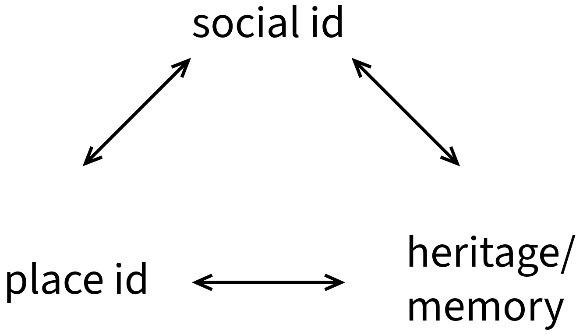
Figure 6: Social Identity, Place Identity, and Heritage/Memory
This model captures the reciprocal relationships between place identity, social identity, and memory/heritage, which together shape how individuals and communities relate to urban space. It visualizes identity as fluid, emerging through social action, emotional attachment, and spatial memory, rather than fixed or static.
Benjamin (1982) saw cities as living collages where the present converses with the past, creating spaces for identity reinvention. His interpretation of urban spaces, particularly through the Parisian arcades, revealed how cities inspire utopian visions while preserving historical memory. Similarly, Simmel (1903) viewed the metropolis as a space where individual subjectivity and collective society interact, fostering a dynamic interplay between personal and social identities. Baudelaire's (1970) flaneur embodies this concept, the modern urban explorer who unearths the myths and "collective dreams" embedded in the cityscape. Bauman (1994) extended this idea, suggesting that in a rapidly changing world, cities mirror the flaneur's continuous adaptation, reflecting the reciprocal relationship between urban spaces and identity formation.
The construction of place identity also unfolds across historical and cultural scales (Haartsen et al., 2000). From medieval festivals to modern urban landscapes, cities have long been hubs of cultural, social, and political innovation. Hayek (1960) noted that urban life has been inseparable from the development of Western civilization, fostering democracy, capitalism, and artistic movements. Shields (1991) further explored how urban spaces undergo spatialisation, a process where meanings are assigned to physical spaces through social practices. This often leads to both the fragmentation and reinvention of urban identities, driven by economic, political, and cultural forces.
Festivals, in particular, have played a crucial role in the evolution of place identity. Historically, they reinforced communal bonds while disrupting rigid spatial and cultural boundaries. Today, festivals serve dual functions: celebrating local identity while also commodifying it for global consumption (Ogborn, 1991). This tension highlights broader debates within urban placemaking, where cities must navigate the balance between fostering authentic local connections and responding to market-driven forces.
Urban environments also serve as arenas for challenging and reshaping societal norms. Kern (2020) highlights how cities provide opportunities for women to reject traditional gender roles and embrace self-expression. Similarly, queer communities have historically turned to urban spaces as fertile grounds for creating alternative social structures (Boer, 2023). Yet, cities can also reinforce hierarchies, shaping perceptions of centrality versus marginality (Dehaene & De Cauter, 2008). Shields' (1991) discussion of "places on the margin" underscores how urban areas often become sites of both exclusion and resistance, with marginalised communities reclaiming space and asserting new identities.
The concept of spatial identity plays a key role in this evolving discourse. Iconic buildings, historic downtowns, and urban experiments serve as "aspirational identity artifacts," orienting city identity claims while drawing on collective memory, present interpretations, and future aspirations (Zamparini et al., 2023). This continuous negotiation of identity within urban landscapes allows cities to reflect on, reorient, and reclaim their unique characteristics in response to shifting sociopolitical contexts.
In sum, identity, both personal and collective, is an ever-evolving construct shaped by social interactions, historical narratives, and cultural transformations. Cities function as dynamic spaces where identity is continuously negotiated, offering individuals and communities the freedom to question, reimagine, and reconstruct who they are. As globalisation, migration, and technological advances reshape the modern landscape, understanding the intricate relationship between identity and urban space becomes increasingly essential (Jang et al., 2024). In this way, cities are not merely backdrops to identity formation but active participants in the ongoing reinvention of self and society. To ground this theoretical framework in the empirical context of this thesis, the researcher developed a second diagram (FIGURE 7). It illustrates the triadic relationship between Whyte Avenue, the Fringe Festival, and the City of Edmonton. These three co-construct one another through spatial performance, institutional narratives, and public imagination. Together, they produce and circulate place narratives that define what the area represents, locally, culturally, and economically.
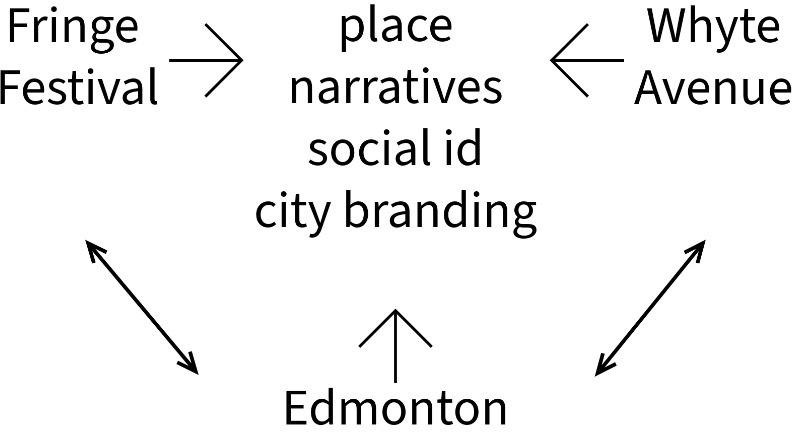
Figure 7: Whyte Avenue, Fringe Festival, and the City of Edmonton
1.5.2 Festivalisation: Dancing Through Tradition and Transformation
Festivals have long been an epitome of cultural expression, serving as vibrant spaces where communities reinforce their identity, preserve collective memory, and uphold social values (Bennett, Taylor, & Woodward, 2014). Rooted in cultural, religious, or artistic traditions, these celebrations historically provided a sense of belonging and continuity (Getz, 2010). However, in recent years, festivals have undergone a profound transformation, evolving from local gatherings into highly commercialized, global spectacles (Fredline & Faulkner, 2000). This shift, known as festivalisation, has drawn significant academic attention, particularly regarding its impact on urban development, cultural policies, and tourism strategies (Richards & Palmer, 2010).
The study of festivals as urban phenomena has gained significant attention in urban geography, with key works such as Quinn (2005), Waitt (2008), and Finkel & Platt (2020) exploring how festivals influence cities. These scholars emphasize the role of festivals in urban regeneration, place marketing, and community cohesion, portraying them as strategic tools for municipal authorities addressing urban challenges. Richards & Palmer (2010) define an "eventful city" as one that integrates festivals into long-term policy goals, while Wynn (2015) highlights their role in promoting communal objectives. As festivals increasingly become economic powerhouses, they are leveraged by local governments and urban planners as tools for boosting tourism, revitalizing declining urban areas, and elevating a city's cultural capital (Quinn, 2005). Cities like Salzburg, Venice, and Cannes revitalized their festivals following World War II as part of broader city marketing and tourism strategies. Edinburgh, launching its own international festival in 1947, became a central player in Europe's cultural scene. The postwar growth of these festivals led to the rise of alternative events, such as the Edinburgh Fringe Festival in the late 1950s, and institutional reforms in the 1960s that reshaped the cultural landscape. This expansion resulted in the construction of new venues, local infrastructure development, and the growth of services like hotels and restaurants to accommodate the increasing number of visitors (Gold & Gold, 2020). The success of these early postwar festivals set a precedent for other cities to develop their own cultural festivals as a means of urban growth and identity formation, with festivalisation spreading globally from the late 1940s to cities like Avignon, Dublin, Adelaide, and Edmonton. The 1980s saw further growth in this trend, with the rise of arts biennials, such as Venice's Architecture Biennale, inspiring other cities to establish events focused on various art forms.
While this economic function brings undeniable benefits, such as job creation, increased revenue, and enhanced city branding, it also comes with significant cultural and social implications. The repackaging of local traditions to appeal to global audiences often leads to a superficial engagement with culture, diluting its original significance (Picard & Robinson, 2006; Crespi-Vallbona & Richards, 2007). The once deeply rooted, community-driven nature of festivals is increasingly replaced by mass entertainment designed to attract wider, more commercially viable audiences.
Critics of festivalisation argue that festivals sometimes act as superficial responses to deeper urban issues. Quinn (2005) and Jamieson (2004) contend that festivals often oversimplify urban complexities in order to project an appealing image, while Harvey (1989b) suggests that they may mask social inequities, creating a "carnival mask" effect. This concept of festivalisation not only refers to the rise of festivals but also to their broader cultural, spatial, and temporal impacts on cities (Smith et al., 2022). Beyond cultural concerns, the large-scale nature of modern festivals raises pressing environmental issues. The increased waste production, carbon emissions, and overall ecological footprint often stand in stark contrast to the short-term economic gains they provide (Laing & Frost, 2010). Critics argue that the singular focus on economic outcomes is both insufficient and unsustainable, as the benefits tend to be concentrated within specific industries or social groups, marginalizing long-standing local residents (Evans, 2001; Smith, 2012).
Moreover, festivals have become powerful tools for advancing political agendas. Governments often use these events to project a positive image, foster national pride, or divert attention from pressing socio-political issues (Quinn, 2010). The influx of investment in festival-driven urban development can also accelerate gentrification, making neighbourhoods more attractive to tourists and outside investors. While this may enhance a city's global appeal, it often comes at the cost of exacerbating socio-economic inequalities, as marginalized groups find themselves displaced or excluded from spaces increasingly tailored to middle-class and elite audiences (Harvey, 2012).
Yet, festivals are more than just economic and political instruments; they also serve as platforms for social experimentation and transformation (Cudny, 2016). Much like carnivals, fairs, and traveling theatres throughout history, they provide an opportunity for individuals to step outside their usual roles and engage in alternative ways of being (Foster, 2022). These events allow for the reimagining of social norms, encouraging interactions that might not occur in everyday life (Zherdev, 2022). In this sense, festivals remain sites of resistance, negotiation, and cultural dialogue, despite the pressures of commercialization and urban commodification.
Festivals emerge as multifaceted spaces where themes of identity, community, and the challenges of globalization intersect (Zhang et al., 2019). While debates continue over their evolving role, their significance transcends mere economic evaluation. Festivals, at their core, remain crucial venues for understanding and engaging with the complexities of contemporary life, shaping both cities and the cultural landscapes within them (Jaeger & Mykletun, 2013).
Act 2: Confrontation
2.1 Whytewashed Reflections
Whyte Avenue's transformation offers a compelling case study in urban revitalisation, showcasing the powerful, yet complex, role of cultural events in shaping a neighbourhood's identity. Before the Fringe Festival, Whyte Avenue was marked by economic stagnation and a lack of distinct character. As Chan (2019) observes, the 1970s presented a streetscape dominated by discount stores, repair shops, and dive bars, a stark contrast to the vibrant cultural hub we see today. This decline reflects a common urban pattern where commercial streets, often neglected by focused investment and strategic vision, can deteriorate (Zukin, 1991), weakening the area's social fabric and sense of place (Relph, 1976).
The Fringe Festival's arrival in the 1980s served as a crucial catalyst, injecting much-needed creativity and economic activity. The festival attracted artists, entrepreneurs, and visitors, fostering the growth of a diverse mix of businesses, from trendy boutiques and cozy cafés to lively entertainment venues. This artistic renaissance has been fuelled by a combination of arts funding, public-private partnerships and other supportive policies (Scott, 2006). At the heart of this vibrancy is the Edmonton Arts Council, which plays a pivotal role in funding artists, collectives, and cultural initiatives. Under the 10-year cultural plan, Connections & Exchanges, the council has also forged partnerships with the Downtown Business Association and Explore Edmonton, transforming public spaces into artistic landmarks and breathing new life into the city's creative landscape (City of Edmonton, 2019). Government and private sector support have further strengthened the local arts scene. In 2021, the Government of Canada invested $4.2 million into Edmonton's cultural infrastructure, reinforcing the city's commitment to fostering artistic expression and community engagement, the Rapid Fire Theatre case to be more specific (Canadian Heritage, 2021). Preserving the city's rich heritage has also been a priority, with grants and financial incentives dedicated to restoring designated Municipal Historic Resources, ensuring that Edmonton's cultural roots remain a defining part of its identity (Kindleman, 2021). Urban planning initiatives have also played a crucial role in shaping Whyte Avenue's evolution. Zoning reforms have encouraged the development of a pedestrian-friendly district where commercial and residential spaces seamlessly coexist, enhancing the neighborhood's livability (City of Edmonton, 2017). Building on this vision, the Plan Whyte land use study (City of Edmonton, 2018a) was launched to strike a balance between growth and preservation, ensuring that Whyte Avenue remains not just a destination but a vibrant cultural cornerstone for generations to come.
Strategic investments in innovative projects enabled the festival to garner attention and attract financial capital, generating millions in economic impact and revenue for participating artists (Cole, 2024). This success aligns with Landry and Bianchini's (1995) argument that a thriving creative environment enhances a city's competitive edge by attracting talent and investment, a core tenet of creative city theory (Florida, 2012). This influential theory posits that fostering creativity, and cultural industries can drive economic growth and urban regeneration. However, it's crucial to acknowledge, as critics like Pratt (2011) point out, that this approach can sometimes prioritise economic growth over social equity, a tension that Whyte Avenue's experience poignantly illustrates.
The subsequent influx of people and activity transformed Whyte Avenue into a vibrant, year-round destination, fundamentally shifting its image from a nondescript commercial street to a recognized cultural centre. This transformation is inextricably linked to the concept of place identity, the unique characteristics, meanings, and emotional attachments that individuals and communities ascribe to a particular location (Relph, 1976; Massey, 1994). Initially, Whyte Avenue suffered from a weak or even negative place identity. The Fringe Festival, with its diverse artistic and cultural offerings, became a focal point for developing a new, more positive, and dynamic identity. The area became synonymous with creativity, entertainment, community, and a distinct bohemian spirit. This newly forged place identity became a powerful draw, attracting new residents, businesses, and visitors, precisely the desired outcome envisioned by creative city strategies. As 5P states "I've always lived in this area. Since when I first moved here, it was pretty desolate, deserted. Hardly any buyers except for strip jungle. So it was not nice when I first moved here, but it's definitely changed drastically over the years. And now you know, there's lots of cafes, and bars and whatever. It's quite a lively area. So to me, it's like THE downtown core."
The Fringe Festival's impact on Whyte Avenue extended well beyond economic revitalization; it sparked a profound transformation in the neighbourhood's identity, fostering a stronger sense of community and belonging. However, this evolution did not occur in isolation. It was built upon earlier revitalization efforts of the 1970s and 1980s, which laid the groundwork for the avenue's resurgence. The Neighbourhood Improvement Program in 1973 (City of Edmonton, 2018b), a response to amendments in the National Housing Act provided the City with the means to enhance housing and living conditions in aging neighbourhoods. By 1981, Area Redevelopment Plans (City of Edmonton, 2025b) had emerged as a strategic tool for revitalizing older districts, reinforcing a commitment to thoughtful urban renewal. Within this framework, the launch of the Edmonton Fringe Festival in 1982, alongside the growing farmers market, infused new cultural energy into Whyte Avenue, transforming it into a hub of artistic expression and local commerce.
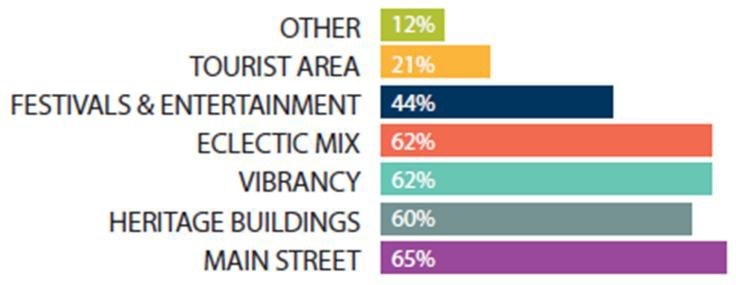
Figure 8: Whyte Avenue's Characteristics (City of Edmonton, 2018a)
The defining characteristics of Whyte Avenue is its main street identity (65%), the pedestrian-friendly design and human-scaled buildings. Other key defining elements include its eclectic mix of people and activities (62%) and vibrancy (62%), suggesting that the avenue is known for its diverse crowd and dynamic atmosphere. Additionally, heritage buildings (60%) play a major role in shaping its character, reinforcing a connection to history while blending with modern urban life. The presence of festivals and entertainment (44%) highlights the avenue's role as a cultural and event hub, while its recognition as a tourist area (21%) suggests it holds appeal beyond just locals.
The sweeping revitalization efforts of the 1980s ultimately set the stage for Whyte Avenue's evolution into the dynamic, culturally rich destination it is today. A stronger sense of community and belonging has been fostered, with many festival attendees choosing to reside in the neighbourhood, further embedding the arts into its social fabric. This crucial transition from a "festival place" to a "place of festival" (Davis & Martin, 2019) is essential for understanding Whyte Avenue's complex evolution. This evolution is not simply about an annual event; it's about how that event becomes deeply interwoven with the very character of the place. The festival became an inherent part of the neighbourhood's identity, influencing not only the physical environment but also the collective consciousness of residents and visitors. This process is particularly evident when considering the proximity of the Fringe Festival to the local farmers market, which emerged from community-driven revival initiatives. The market and the theatres are now located near each other, forming a vibrant cultural district, an undeniable sign of the intertwined storylines and the convergence of diverse cultural expressions. Ultimately, Whyte Avenue's metamorphosis into a lively and sought-after destination, complete with a diverse array of eateries, bars, and cultural venues, facilitated a more concrete conceptualisation of the festival experience for attendees. This development aligns with the theoretical proposition that a "place of festival" allows individuals to form more accurate expectations, leading to stronger and more immediate place attachment (Jang et al., 2024). Initially, the festival created a temporary, event-specific sense of place. Over time, Whyte Avenue itself became synonymous with the Fringe Festival, its identity inextricably linked to the event, even existing independently of it. This evolution reflects a deeper, more enduring connection between the event and the neighbourhood, where the physical place becomes an integral part of the festival experience, and the festival, in turn, becomes an integral part of the place's identity. The festival became a defining element of Whyte Avenue's place identity, shaping how residents and visitors perceive and experience the area. It became a key component of the area's narrative, attracting those seeking a vibrant and culturally rich environment. 12J agrees "Whyte Avenue is, I guess, a lot of activities. The farmers' market. I guess I might add the ice sculptures during winter, a lot of cultural events as well. The Fringe festival. I think of it as very young but I also think of myself as young. So, yeah, it's, you know, lively, cultural, fun. Good food. Great shopping. Yeah, it's kind of hard to explain. But, you know, if I compared it to the rest of Edmonton, say, for instance, downtown Edmonton, it's different. Downtown is commercial, not as vibrant, not as friendly. Whyte Ave offers all of these. It's creative."
However, the very success of Whyte Avenue's transformation, driven in part by the implementation of award-winning creative city strategies (Griwkowsky, 2022), has presented significant challenges, most notably gentrification, which is often a direct byproduct of such strategies (Smith, 1996). As the area's desirability increased, so did the demand for property, inevitably leading to rapidly rising rents and property values. 23JD shares the above-described sentiment "I'm positive towards Whyte Avenue, because I own a home here. I want the neighbourhood to do well. I want the value of my home to go up. And yeah, I mean, I contribute to the neighbourhood here a lot." This often-unavoidable process of gentrification (Harvey, 2008), driven by powerful market forces and frequently fuelled by public investment in infrastructure and amenities designed specifically to attract the coveted creative class (Florida, 2012), often displaces long-time residents and established businesses, particularly those with lower incomes. This displacement can dramatically alter the social fabric of a neighbourhood, eroding the very characteristics; diversity, affordability, and local character that initially made it so attractive. The closure of beloved local institutions like The Avenue Clothing Co. and Lillo's Music (Slugoski, 2019) serves as a poignant and tangible reminder of this inherent tension between economic development and the vital preservation of local character. These closures represent not just the loss of businesses; they also signify the loss of cultural memory, the severing of valuable community connections, and the destruction of the unique character that defined Whyte Avenue for many residents. The displacement of residents and businesses due to escalating costs can lead to a homogenisation of the area, eroding the very social and economic diversity that was so crucial to its initial vibrancy and appeal (Walks & Maaranen, 2008). This homogenisation can also, ironically, lead to a loss of the authentic cultural feel that attracted people to the area in the first place. This raises complex ethical questions about who ultimately benefits from urban revitalisation initiatives and who, conversely, bears the costs (Lees et al., 2008). It also underscores the urgent need for policies that proactively mitigate the negative impacts of gentrification, such as affordable housing initiatives, targeted support for small businesses, and inclusive, community-led planning processes (Newman & Wyly, 2006).
While creative city strategies often aim to revitalise urban areas, they frequently fail to adequately address the very real potential for displacement and the critical need to ensure that the benefits of revitalisation are shared more equitably. This pattern has been observed in various cities, for instance, in Toronto, the non-profit organization Artscape has played a role in transforming gentrifying neighbourhoods through artist housing and cultural hubs, while maintaining a contradictory anti-gentrification mandate (Ilyniak, 2017). Similar trends have been noted in other creative hubs like Montreal, Berlin, and various North American cities (Ward, 2023). Whyte Avenue's ongoing experience illustrates this persistent tension perfectly.
The increasing commercialisation of the Fringe Festival itself also raises complex and important questions about the delicate balance between promoting creativity and maintaining genuine cultural authenticity. While the area undeniably retains its artistic spirit, it faces ongoing challenges related to rising vacancy rates, persistent traffic congestion, and the crucial need to preserve its historic built environment. The ongoing and often painstaking efforts to revitalise historically significant buildings like the Princess Theatre, the Richards Block, and the Dominion Hotel (Mitanis, 2018; CBC, 2019) are absolutely vital for maintaining the tangible links to the past and ensuring that the area's rich architectural heritage is not completely erased by the relentless pressures of new development. These preservation efforts are not simply about aesthetics; they are also about preserving the physical embodiment of Whyte Avenue's history and evolving identity. 24G remembers "It's just that magical thing that happens just at the right place and the right time. Whyte Avenue years ago was pretty bumpy. During the early 80s, it was just not really a place that you tend to come to very often. It was the Strathcona hotel where people would go drinking, and there was Princess Theatre that had a different name for a brief period of time, if I remember well. So, you'd come to the neighbourhood for that, but otherwise it was kind of like it at least in my experience, just an area you'd pass through. Then somehow, Fringe came along at the right time. All the abandoned buildings worked really well for the Fringe in that way. And then the whole refurbishment of the neighbourhood kind of occurred at the same time. So, you can and can't say that Fringe created that, but all this happened at the same time and that started to bring attention. So, this is kind of interesting. And at the time there was, also, a community of residents here that were fighting for the preservation of historic buildings. So, what do they call that? A perfect storm of synergy of events. Exactly! And it's funny but we don't get those many calls anymore. Maybe people send emails or whatever, but some would call complaining about the Fringe, like parking is difficult or whatever. But I always like to know when people moved here because if they're older residents they usually are not complaining because they've lived through it all. But anybody who came here after the 80s'-90's they are different. Fringe is a given already, right? Fringe is a reason their property values have gone up and stuff. So anyway, we don't get too many of those complaints anymore."
Despite these numerous and complex challenges, Whyte Avenue continues to demonstrate remarkable resilience (Delaney, 2024). New developments like Station Park (Mroczek, 2023; Gallant, 2024), a unique shipping container-based shopping and dining destination, offer exciting opportunities for smaller businesses and entrepreneurial start-ups, reflecting a dynamic and constantly evolving commercial landscape. These innovative projects, alongside the ongoing revitalisation of historic buildings, suggest a commitment to thoughtfully blending innovation with preservation, clearly acknowledging the crucial importance of heritage in shaping a neighbourhood's identity. The ongoing evolution of Whyte Avenue, marked by the opening of new and diverse restaurants, ambitious redevelopment projects, and the enduring popularity of well-established businesses like Julio's Barrio, signals a continued and vibrant energy (Toneguzzi, 2024; Ropchan, 2024).
In conclusion, Whyte Avenue's ongoing transformation, catalysed by the significant influence of the Fringe Festival and reflecting the broader principles of creative city theory, exemplifies the complex and often contradictory dynamics of urban revitalisation. While the festival undoubtedly played a crucial role in revitalising the area and fostering a strong and positive sense of place identity, the subsequent challenges, particularly those related to gentrification and the preservation of local character, highlight the persistent need for careful planning, proactive and equitable policies, and meaningful community engagement to ensure that the benefits of urban revitalisation are shared equitably by all stakeholders. Whyte Avenue's ongoing evolution, driven by the transformative power of the Fringe Festival and other significant events, highlights the very real potential for cultural activities to revitalise and energize urban spaces. However, addressing persistent social and economic disparities remains absolutely critical to creating a truly sustainable and inclusive urban future (Jang et al., 2024). How can we, as a community, invest more effectively in education and professional development within the arts, foster policies that actively promote cultural diversity, and prioritise affordability and accessibility to help sustain Whyte Avenue's eccentric identity as a creative and inclusive community hub, effectively avoid the negative impacts of gentrification, and ensure that the benefits of its creative transformation are shared equitably by all, as emphasised by Pratt (2011)?
2.2 Fringe Unfiltered
The Fringe Festival on Whyte Avenue provides unique spaces for exploring identity, captivating both performers and audiences. It cultivates a shared sense of belonging, uniting individuals through collective experiences and reactions to its unconventional, experimental performances. This temporary community fosters profound connections and mutual understanding, transcending mere entertainment to examine deeper aspects of human existence and self-awareness, with impacts that resonate far beyond the festival's duration (Payton-Lombardo, 2016). Its uninhibited environment encourages exploration of themes too daring for mainstream platforms (Abbott-Betts, 2023), often leading to deeply emotional revelations that challenge and reshape participants' perceptions of themselves and others (Grotowski, 2002). 21N confirms that "I think the Fringe is a starter pack theatre. So, somebody who has never been to the theatre and doesn't know what's going on, they can walk in and see a show for fifteen dollars. They might hate it or they might love it, but they have gone through the process now, so when they go onto bigger productions in the city at Citadel, Varscona, or Walterdale, they are more reasonably accessible. They have done it before so it's not as scary and it's not foreign, so I think it's important in that regard. I think it's what keeps Edmonton from aging out as far as theatregoers."
Many volunteers and attendees emphasise the festival's transformative influence. Their personal narratives entwine with the event, marking significant life milestones; meeting partners, starting families, and returning with their children. These deep bonds forge lifelong friendships, sustaining the festival's spirit year-round. 27D says: "I volunteer at the Fringe and I meet people. My best friends in the world I've met because of the Fringe and I want to give back because it has given me that." Volunteers come and go, yet many return, drawn back by its profound impact. Even those who no longer participate directly continue their support through donations, attendance, and engagement with local artists. 25K states "Fringe Festival is an opportunity to spend some time volunteering but also a chance to connect with similar minded people and really support the artists, performers, street performers. Have a good time in general!" This sustained commitment underscores the festival's lasting effect, highlighting its role in nurturing enduring relationships and welcoming new generations.
| Years of Involvement | % |
|---|---|
| 1-5 | 16.67 |
| 6-15 | 40 |
| 16-25 | 16.67 |
| 26+ | 26.66 |
The data shows a wide range of volunteer experience at the Fringe Festival, with some just beginning their involvement and others contributing for decades. The average of 17 years suggests long-term engagement is common, reflecting a strong sense of loyalty and commitment to it. The most frequent level of involvement is 10 years, with five participants, while three have been involved for 1 year. Intermediate involvement (6-15 years) is the largest group with twelve entries, representing a strong core of experienced participants. The range from 1 year to 35 years highlights both new and deeply experienced volunteers, with a median of 15 years indicating a well-balanced mix of moderate to long-term participants. The distribution shows a healthy mix of new blood and experienced volunteers, which likely strengthens the Fringe Festival community by blending fresh perspectives with seasoned knowledge. Last but not least, the significant number of eight participants with over 25 years of involvement forms the second-largest group and demonstrates a lasting connection and dedication to the organisation's mission.
The Fringe Festival plays a crucial role in identity expression for both artists and audiences. Space transcends physicality, becoming a meaningful, emotionally charged environment. The festival's transformation of Whyte Avenue venues into culturally significant spaces redefines performance settings. Repurposing streets, bars, and makeshift theatres disrupts conventional notions of artistic venues. This shift aligns with the human geography distinction between space and place, where place carries profound social and emotional significance (Norton, 2013). Upholding its founding principles, the festival fosters inclusivity, amplifying diverse voices and perspectives. Its open, non-selective ethos encourages a spectrum of identities on and off stage. This welcoming atmosphere empowers artists to challenge narratives and push artistic boundaries, while offering audiences an intimate, interactive experience that cultivates empathy and deeper understanding (Storey, 2024). The festival also serves as a vital hub for social exchange and community. While attendees are drawn primarily to the arts, many value the event as a crucial social space where connections flourish, contributing to a broader sense of belonging (Devismes, 2014). It embodies the concept of third places in human geography; informal social spaces beyond home or work where people gather, interact, and build community (Oldenburg, 1991). While not explicitly categorized as such, the Fringe Festival fulfils this role, offering a public space for spontaneous engagement and collective identity formation. Its social dimension, combined with artistic diversity, creates a constantly evolving environment where art and community intersect. Consequently, Whyte Avenue becomes more than just a location; it becomes an active participant in the festival's cultural mosaic, where locals and visitors experience theatre, engage in conversations about it, and participate in spontaneous interactions.
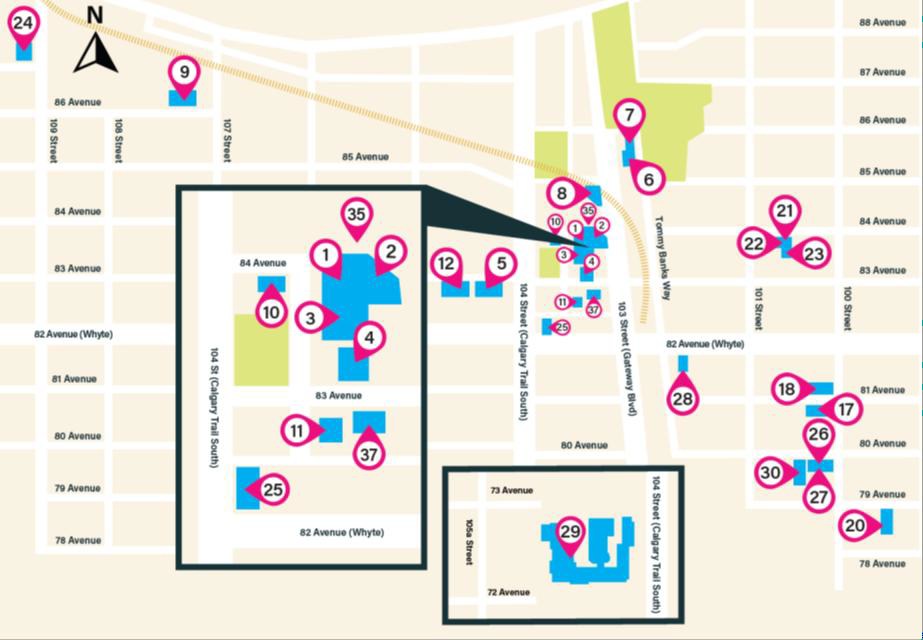
Figure 9: Old Strathcona Venue Map and Listing (Fringe Theatre Adventures, 2019)
A significant aspect of identity formation is the interplay between diverse cultural expressions and personal narratives. Artists from various backgrounds use the festival as a platform to voice remarkable perspectives, often exploring themes of heritage, migration, gender, and social justice (Daly, 2024). These narratives resonate with audiences, who reflect on their own identities. The festival's non-hierarchical structure allows emerging artists to share stages with established performers, breaking down traditional barriers of artistic prestige. This accessibility empowers marginalised voices, enabling them to shape festival narratives and influence broader cultural conversations. The juxtaposition of traditional and contemporary artistic expressions further emphasises the festival's role as a site of identity negotiation. Traditional performance arts, such as indigenous storytelling or folk theatre, coexist with avant-garde experimental pieces, demonstrating how identities are both preserved and redefined (Filewood, 2006). This fusion of old and new reflects ongoing cultural shifts and individual transformations, reinforcing the notion that identity is not static but fluid and evolving (Abrahams, 2018).
The Fringe Festival is not simply a fleeting convergence; it serves as an enduring site for social involvement and identity formation, especially within informal gathering spaces like beer tents. These areas contribute to the festival's vibrant, carnival-like atmosphere (Bogad, 2006), fostering camaraderie and creating communal hubs. These spaces have gradually become focal points for corporate sponsorship, introducing a layer of commercial influence. The festival's evolution reveals a complex interplay between its original artistic ethos and increasing commercialisation. A key challenge is preserving its sensory-rich essence while navigating financial pressures. Conceived initially as communal gathering points for lively crowds (Paterson, 1997), beer tents have become iconic, promoting social interaction and enhancing the event's inviting ambiance. Similarly, Bakhtin's (1981) concept of carnival involves the playful mockery and subversion of established order. This subversion allows for a temporary suspension of social distances and hierarchies, creating new modes of interrelationship between individuals and rearranging values, ideas, and practices (Hiebert, 2003). The Fringe Festival, just like the carnival, becomes a model for the performative nature of identity itself. This performativity allows for ambivalent subversion of oneself, enabling individuals to step into roles that mock self-imposed limitations. It creates a space between fixed identities, akin to Deleuze and Guattari's (1987) concept of "becoming." The Fringe Festival both reinforces community and redefines it. It creates a sense of collective consciousness and cultural identity, offering a space for reimagining social relations and cultural narratives (Bruni, 2021). Over time, the festival has attracted not only art enthusiasts but also individuals seeking connection. This expansion fosters meaningful dialogue between artists and audiences who might not normally engage with the arts. The growing participation of diverse groups highlights how unconventional audience engagement strategies can forge notable community relationships (Schlichter, 2019).
However, as high-consumption spaces attract dense social activity, beer tents have also become prime targets for corporate sponsorship, intensifying commercialisation (Batchelor, 2015). 13B explains: "I think the Fringe Festival means different things to everyone. Certainly, not everyone who goes to the festival goes to the plays of it. Some people will go to the beer tent as a means to catch up with friends and family. From a selfish Fringe volunteer point of view, that's money making for the festival!" This shift raises concerns about its impact on the festival's cultural integrity, as economic pressures from Whyte Avenue influence programming decisions (Archer, 2023). While commercialisation has bolstered the festival's global reach by promoting national cultural identities, critics argue it risks overshadowing its core artistic values. Babiak's (2011) observations align with Willems-Braun's (1994) argument that audiences often engage with the festival as a "fetishised difference," responding to its multisensory appeal. Knowles (2004) suggests that theatre productions within globalised festival contexts increasingly function as promotional tools for national culture, sometimes at the expense of fostering deep, localised artistic engagement. These tensions reflect broader challenges facing contemporary arts festivals. 16J clarifies: "But yeah, it was definitely even, you know, a decade ago, it was thought that the Fringe has gotten too corporate. And I think it's only become more so now, you look at the typical programs, the programs they release, you know, 10 years ago, they were thick, but they were thick, mostly with information about the shows, the individual shows themselves. Now, most of it is advertising. [...] But the more I do it, the more it feels like going to work. When I go to the Fringe, whether as a volunteer or as a tourist I don't like feeling like going to work. I don't like it to feel like I'm going to work."
Economic realities further complicate the Fringe Festival's relationship with Whyte Avenue. Rising operational costs, including a 45% increase in insurance premiums and a 42% surge in staffing expenses, have strained organisers, especially as municipal and provincial funding stagnates (Antoneshyn & Mulcahy, 2024). The Canadian Arts Presentation Fund's 20% reduction in 2024 has prompted warnings of a potential one-third reduction in programming (Ostad, 2024). Despite these setbacks, increased funding from the Edmonton Arts Council underscores local support (Cook, 2024). These fiscal challenges shape the festival's ability to maintain its presence on Whyte Avenue, potentially altering its scale and accessibility. While some argue commercialisation is essential for financial sustainability, questions remain about its impact on festivals' authenticity, creative freedom, and innovative spirit (Gould, 2019). The intricate relationship between artists, audiences, and economic interests highlights the need for balance between artistic integrity and financial viability. The Fringe Festival's role in shaping individual and collective identities is again emphasised, reflecting a broader societal trend where festivals serve as arenas for community interaction, identity negotiation, artistic evolution, and economic adaptation. By addressing these challenges, Fringe Festival can continue thriving as a platform for creative expression, fostering cultural engagement while navigating the complexities of a globalised festival landscape.
2.3 Whyte & Fringe: A Shared Stage
The coevolution of the Fringe Festival and Whyte Avenue can be understood through the lens of narratives and their role in shaping social, cultural, and economic landscapes. As Zizek (1989) suggests, narratives provide stability and power to objects, actors, and institutions by embedding them within broader ideological structures. The conjoining of Fringe Festival and Whyte Avenue is an exemplar of this dynamic, where both have reinforced and shaped each other's identities through a shared narrative of artistic expression, alternative culture, and urban vibrancy. The interviews of the volunteers offer these deep insights even though it is challenging to generalize due to limited repeatability (Babbie, 2011). Either the case, their findings uncover hidden concerns and contribute to research beyond this postgraduate thesis.
Narratives function as conceptual structures that introduce temporal, spatial, and emotional order (Czarniawska, 1998), and in the case of Whyte Avenue and the Fringe Festival, these narratives have evolved to encapsulate a bohemian and countercultural ethos. The Fringe Festival, not only transformed the cultural fabric of Edmonton but also redefined Whyte Avenue's character as a hub for creative expression and unconventional performances. This symbiotic relationship exemplifies how narratives can link institutions, places, and people, reinforcing each other's significance (Abu-Lughod, 1992; Bal, 1985; Sandercock, 2003). Over time, the narrative structure of the Fringe Festival has stabilized Whyte Avenue's identity, turning it into an emblem of artistic freedom and community engagement. The festival's theatrical performances, street busking, and experimental art align with Whyte Avenue's reputation as a district that fosters alternative lifestyles and independent businesses. This interconnection demonstrates Lévi-Strauss' (1968) argument that the structure of narratives influences their effectiveness, Whyte Avenue and the Fringe Festival share a common structure of grassroots cultural participation, attracting both local artists and international performers. Public perception further affirms this deep connection.
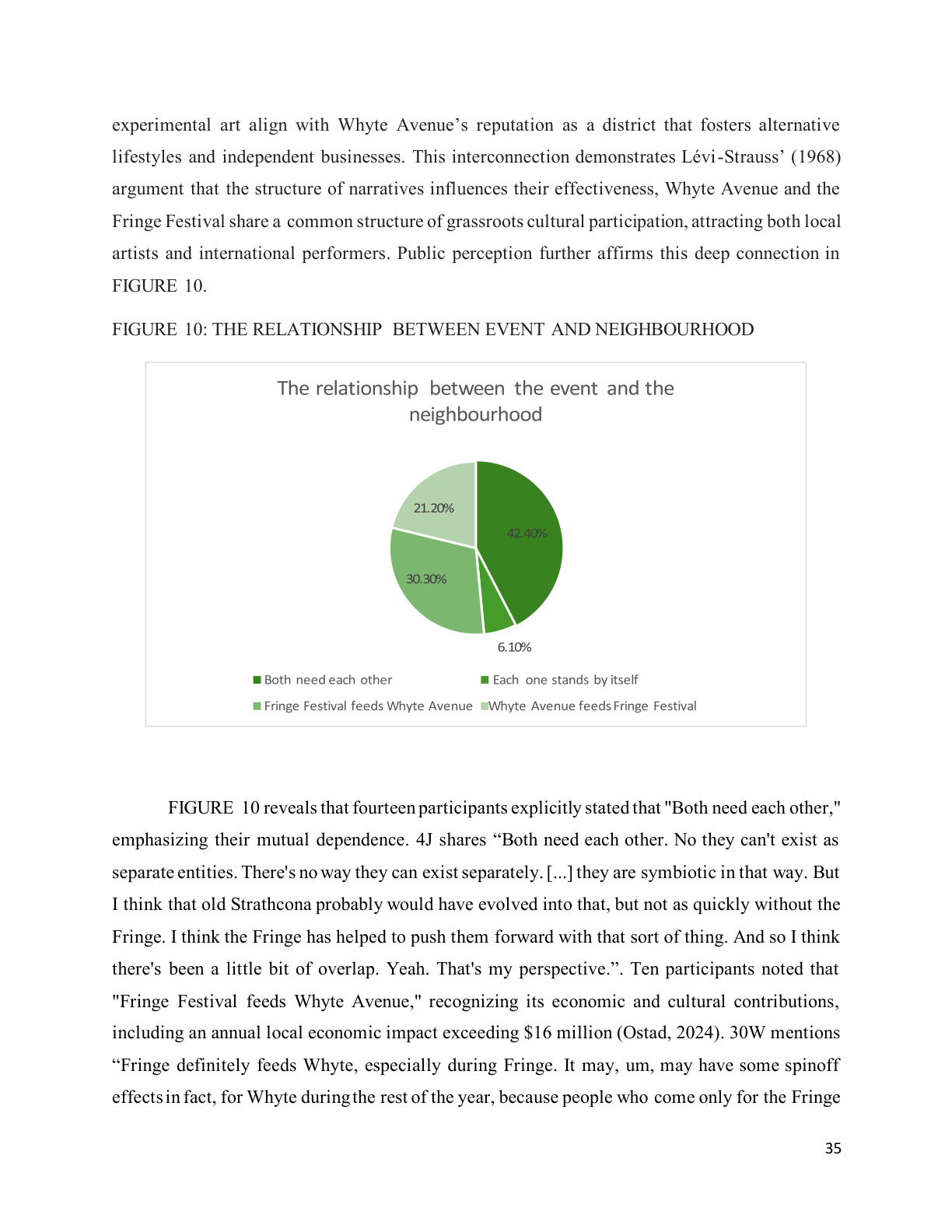
Figure 10: The Relationship Between Event and Neighbourhood
The data reveals that fourteen participants explicitly stated that "Both need each other," emphasizing their mutual dependence. 4J shares "Both need each other. No they can't exist as separate entities. There's no way they can exist separately. [...] they are symbiotic in that way. But I think that old Strathcona probably would have evolved into that, but not as quickly without the Fringe. I think the Fringe has helped to push them forward with that sort of thing. And so I think there's been a little bit of overlap. Yeah. That's my perspective." Ten participants noted that "Fringe Festival feeds Whyte Avenue," recognizing its economic and cultural contributions, including an annual local economic impact exceeding $16 million (Ostad, 2024). 30W mentions "Fringe definitely feeds Whyte, especially during Fringe. It may, um, may have some spinoff effects in fact, for Whyte during the rest of the year, because people who come only for the Fringe that maybe are from out town or are from out of the area, they now know of Whyte Avenue. For instance, -I didn't realize that was THE Whyte Avenue that people referred to. Oh, we actually went to such and such restaurants and now it's a regular haunt-." Conversely, four participants asserted that "Whyte Avenue feeds Fringe Festival," underlining the avenue's infrastructure and cultural relevance in sustaining the festival. 23JD explains "Yes, Whyte Avenue would still exist without the Fringe. But the Fringe needs Whyte Avenue. It relies on the foot traffic, people just wandering in off the street to check it out. If it were held somewhere else in the summer, it wouldn't work the same way. The area itself is essential, with all the theater venues, the improv spaces, and even non-traditional venues that become part of the festival. Whyte Avenue has more diverse performance spaces than anywhere else in the city. Every year, I make a point to see shows in the most unusual venues, hotel rooms, parking garages, back alleys, bookstores, balconies, sheds, even shipping containers. That's what I love about it, it's weird, but in the best way." However, two participants offered the least frequent response, "Each one stands by itself," reminding us that despite their interwoven narratives, both the Fringe Festival and Whyte Avenue maintain distinct identities. This balance between integration and individuality is crucial for their long-term sustainability. 15M comments "In the beginning, I think the Edmonton Fringe Festival felt like a back-alley party. It started as a small event, largely because of the Walterdale Theatre, and the location was chosen for its connection to the arts. At the time, Whyte Avenue wasn't necessarily as approachable as it is now. But as the festival grew, so did Whyte Avenue. The boutique nature of the area played a role in shaping the festival's identity. It had that hipster vibe, with places like Block 1912 and The Next Act nearby, and the Walterdale Theatre definitely contributed to the festival's development. Once the Fringe Festival really took off, Whyte Avenue itself started to change. Other entertainment districts emerged, drawing some of the crowd away. The festival kept growing, but Whyte Avenue saw shifts in its clientele. Now, I think the Fringe has come full circle, feeding back into Whyte Avenue's identity. During festival season, it's not just about the Fringe, Gazebo Park and the whole artistic district play a role in revitalizing the area. It's a continuous exchange between the festival and the neighborhood. The development of high-rises and new apartment buildings in the area likely wouldn't have happened without the popularity of the bar scene, which, in turn, was influenced by the festival and the artists who helped put these venues on the map. It's a bit of a chicken-and-egg situation."
Governance plays a crucial role in shaping the narratives of both Whyte Avenue and the Fringe Festival. Municipal policies, business regulations, and urban planning decisions interact with the evolving discourse of the festival and its setting. As Van Assche et al. (2011) argue, governance structures connect sites of narration and influence narrative reconstruction. The transformation of Whyte Avenue from a relatively ordinary commercial street to a celebrated cultural district was propelled by the Fringe Festival's growing significance, prompting policymakers to support pedestrian-friendly initiatives and arts-driven economic development. The discursive migration of narratives between the festival and the avenue is evident in how each has influenced public perceptions and urban policies. The Fringe's countercultural roots have contributed to Whyte Avenue's branding as an artistic and eclectic space, while the avenue's historical character has, in turn, provided a fitting stage for the festival's ongoing evolution. The annual influx of performers and audiences reinforces Whyte Avenue's role as a cultural epicentre, blurring the lines between temporary festival space and year-round cultural district.
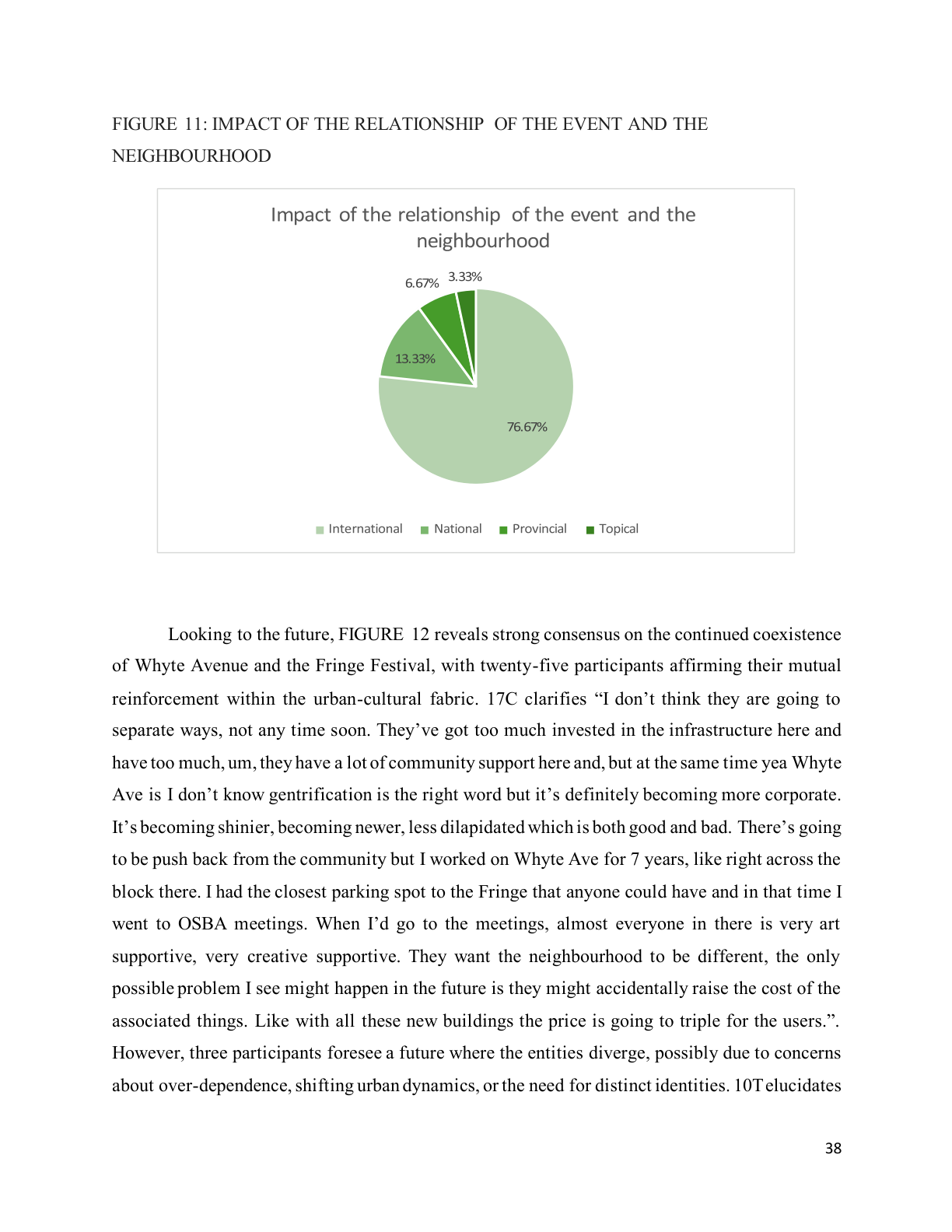
Figure 11: Impact of the Relationship of the Event and the Neighbourhood
The data underscores the Fringe Festival's international relevance, with twenty-three participants highlighting its international impact. 2K describes "Definitely International. Because we're known as the biggest, first North American. So if you went somewhere else to the Fringe, and you said you're from Edmonton you, there'll be some respect that, you know, right, like, oh, yeah, I'm a volunteer at the Edmonton Fringe Festival, like, you're gonna get some respect from the Fringe people." This aligns with the broader concept of "festivalization" (Häußermann & Siebel, 1993), where cities leverage cultural events to enhance global visibility, attract diverse audiences, and foster cultural exchange. Meanwhile, four participants noted the festival's impact to topical issues. 3B discusses "I think that the Fringe Festival, that the community concerns really only affects probably, as far as I mentioned, mostly the community. So every year there's concerns about parking, vandalism, those kinds of things. Those really impact just the community and the effect on Edmonton is the traffic that the people trying to get home from work. There are people who hate the Fringe because of that." However, fewer responses emphasized national and provincial importance, suggesting that local narratives, while present, are overshadowed by a broader international focus. Maintaining a balance between global outreach and local identity remains essential for the festival's continued success. Together, these layers of engagement reflect what Canevacci (1995) describes as the "polyphonic nature of urban spaces," where diverse cultural voices harmonise to create a multifaceted and vibrant urban experience.
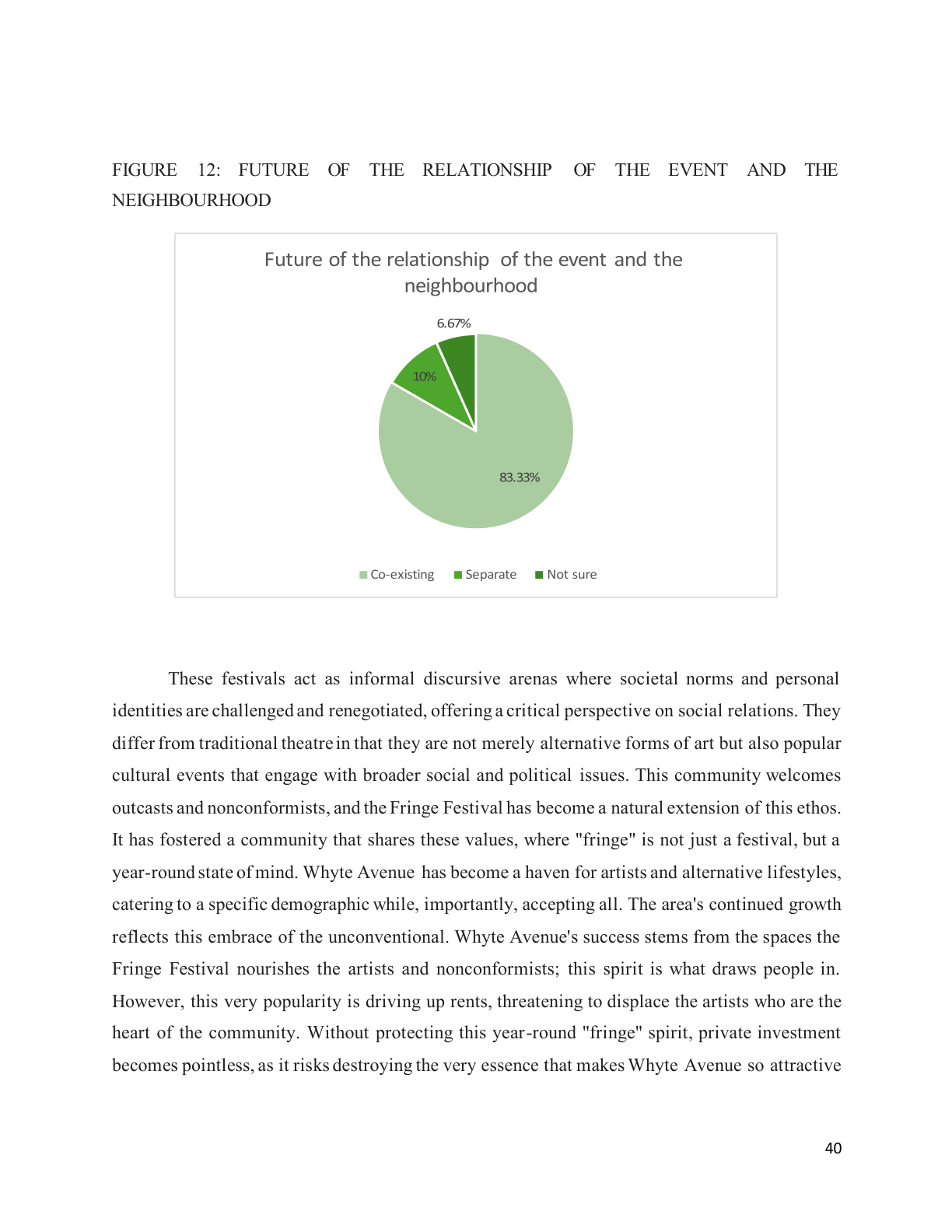
Figure 12: Future of the Relationship of the Event and the Neighbourhood
Looking to the future, the data reveals strong consensus on the continued coexistence of Whyte Avenue and the Fringe Festival, with twenty-five participants affirming their mutual reinforcement within the urban-cultural fabric. 17C clarifies "I don't think they are going to separate ways, not any time soon. They've got too much invested in the infrastructure here and have too much, um, they have a lot of community support here and, but at the same time yea Whyte Ave is I don't know gentrification is the right word but it's definitely becoming more corporate. It's becoming shinier, becoming newer, less dilapidated which is both good and bad. There's going to be push back from the community but I worked on Whyte Ave for 7 years, like right across the block there. I had the closest parking spot to the Fringe that anyone could have and in that time I went to OSBA meetings. When I'd go to the meetings, almost everyone in there is very art supportive, very creative supportive. They want the neighbourhood to be different, the only possible problem I see might happen in the future is they might accidentally raise the cost of the associated things. Like with all these new buildings the price is going to triple for the users." However, three participants foresee a future where the entities diverge, possibly due to concerns about over-dependence, shifting urban dynamics, or the need for distinct identities. 10T elucidates "I bet they'd split apart. Those high rise buildings are not conducive to what Whyte Ave is and I think they're a bad idea. I think ultimately in areas like Oliver Square, 124th St., east of downtown is starting to develop a bit more, that's gentrification. The artists come in, they take a crappy area and make it nice. Out on the east end, there's the arts, the low-income housing for artists, just east of Canada Place. There are beautiful lofts you can get. If you start changing an area and putting in expensive high-rise buildings and especially in Edmonton, where the sun is so low, even in the summer, it rises quite well so when you build the six-storey building in a very narrow stream, you block out the sun very, very quickly. We'll see a lot of change on Whyte Ave and I don't think it'll be the change that we want. I think people who buy expensive apartments will build in an area that'll become less popular. And I could see Fringe relocating because of that." A handful of "Not sure" responses acknowledge the unpredictability of urban-cultural relationships, shaped by fluctuating policies, evolving trends, and economic shifts. 8F says " I don't know where they both will be headed. Based on the population of Edmonton, I feel like in the past, there would be a festival. And so say you'd be looking for something to do. You'd say, 'well, you can go to the festival'! And so, if you're going to do something, there would be that one choice. And the result was that people would be in the 'go team'. Summer is here, there is the festival and another, and you'd go to it. And if you go to say Toronto, what are you going to do? Well, whatever. How many festivals are there at any given moment? They have a Fringe Festival. But because there's so much other things, it never was really allowed to grow. Whereas here, we didn't have much else, in the beginning. And so these festivals were allowed to grow and expand on their own without bumping up against other. Now, are we industrializing our city more? If it ends up more like Montreal, then that's good! There's room for more people here. More densification. We live just off the bike path. The 'Bike Superhighway' we call it. It's just faster than driving. It's amazing. A lot of these changes are good, and I'm happy about that. The more people here, there are more excuses to open up more shops and restaurants. I think it's all good."
These festivals act as informal discursive arenas where societal norms and personal identities are challenged and renegotiated, offering a critical perspective on social relations. They differ from traditional theatre in that they are not merely alternative forms of art but also popular cultural events that engage with broader social and political issues. This community welcomes outcasts and nonconformists, and the Fringe Festival has become a natural extension of this ethos. It has fostered a community that shares these values, where "fringe" is not just a festival, but a year-round state of mind. Whyte Avenue has become a haven for artists and alternative lifestyles, catering to a specific demographic while, importantly, accepting all. The area's continued growth reflects this embrace of the unconventional. Whyte Avenue's success stems from the spaces the Fringe Festival nourishes the artists and nonconformists; this spirit is what draws people in. However, this very popularity is driving up rents, threatening to displace the artists who are the heart of the community. Without protecting this year-round "fringe" spirit, private investment becomes pointless, as it risks destroying the very essence that makes Whyte Avenue so attractive in the first place. The continued success of both Whyte Avenue and the Fringe depends on preserving this unique and vital connection.
However, these events can often be exclusionary, and it is important to consider their limitations and the power dynamics that shape these spaces. For example, Winnipeg's Fringe Festival takes place in the historic Exchange District, a site symbolising a European narrative of settlement and modernization. The district's multiple roles, from a hub for commerce and culture to a centre for marginalised communities, reflect the complex social and spatial relationships that shape the city. This space challenges the traditional notion of the viewing subject in theatre, emphasising the collective and social nature of identity rather than individualism (Blau, 1990). Similarly, Vancouver's Mount Pleasant neighbourhood, the site of another Fringe Festival, presents a divide between gentrified and working-class areas, with cultural practices often commodified to appeal to specific social groups. The festival's location serves to highlight these divisions and the way cultural spaces are marketed as exclusive and distinct, creating a hybrid cultural experience for participants (Harvey, 1989a; Deutsche, 1991). While Fringe Festivals are designed to break down the traditional boundaries of theatre, they are not entirely inclusive. They tend to attract particular demographics, with patrons often coming from specific districts and being predominantly young (under 40). These events, while subverting traditional theatre structures, still reflect underlying social divisions and limitations, suggesting that cultural politics must examine the physical and social spaces of representation in a more nuanced way (Mouffe, 1988).
Edmonton's Fringe Festival follows a similar pattern, attracting particular demographics that shape its volunteer and audience base. While these festivals subvert traditional theatre structures, they often reflect existing social divides. The age distribution of Edmonton's Fringe Festival volunteers illustrates this selectivity: one participant falls within the 14-24 age group, fifteen are between 25-54, twelve are aged 55-64, and two are 65 or older.
| Age | % |
|---|---|
| 14-24 | 3.33 |
| 25-54 | 50 |
| 55-64 | 40 |
| 65+ | 6.67 |
This breakdown highlights the range of life stages and experiences among volunteers, contributing to a richer understanding of generational engagement with the festival. However, the demographic data also suggests that the event predominantly attracts younger participants, reinforcing the observation that Fringe Festivals tend to appeal to a specific audience.
Education levels further reveal the characteristics of Edmonton's volunteer community. A significant majority, eighteen participants, hold a bachelor's degree, while three have a college degree, and four possess graduate degrees.
| Education | % |
|---|---|
| High School | 10 |
| College | 10 |
| Bachelor's | 60 |
| Graduate | 20 |
This suggests a strong academic foundation among volunteers, aligning with values of learning and creativity often associated with post-secondary education. In contrast, only three participants report high school as their highest level of education, indicating that those with less formal education may be underrepresented in volunteer activities at the festival. Mould (2015) notes that the emphasis on creative industries can disproportionately benefit individuals with higher education and skills, potentially reinforcing economic inequality and social divides.
The occupational backgrounds of volunteers and interviewees further emphasize the festival's selective engagement.
| Occupation | % |
|---|---|
| Administration | 3.33 |
| Applied Sciences | 13.33 |
| Arts | 3.33 |
| Education | 20.01 |
| Government Services | 10 |
| Health | 6.67 |
| Information Technology | 13.33 |
| Retired | 26.67 |
| Trades | 3.33 |
The largest group, eight participants, are retired, contributing valuable time and experience to the festival. Education professionals make up six participants, highlighting a strong connection between teaching and involvement in the arts. Applied sciences and information technology are each represented by four participants, demonstrating the presence of technical skills useful for problem-solving and organizational roles. Smaller groups from government services, health, arts, administration, and trades add further diversity, combining practical skills, creative talents, and life experience to support the festival's programming.
The enduring presence of the Fringe Festival highlights Duffy's (2014) concept of "spill-out," as its influence extends beyond the festival's specific temporal and spatial boundaries, embedding itself into the identity of Whyte Avenue. Furthermore, Edmonton's Fringe Festival aligns with Wynn's (2015) idea of placemaking, as it has transformed the neighbourhood into a hub of cultural activity. While the festival brings vibrancy and economic growth to the area, critiques of festivalisation, such as those raised by Smith (2016), caution against the potential risks of exclusionary practices or the over-commercialisation of public spaces. Nevertheless, the Fringe Festival's role in fostering a unique cultural identity and facilitating urban investment underscores its importance in Edmonton's urban and cultural landscape. Festivals like the Edmonton Fringe Festival are deeply influenced by the social, cultural, and material dimensions of the local environment (Merrington, 2016). Rather than being isolated events, festivals are shaped by their setting, guiding organisers in selecting artists, commissioning work, and drawing inspiration. The built environment, including streets like Whyte Avenue, plays a significant role, as it is interwoven with the collective memory and identity of the local area, often reflecting its social and oral histories.
Local urban festivals, such as the Edmonton Fringe Festival, help create a "distinctive local profile" (Waitt, 2008), distinguishing the area amidst globalizing trends and urban regeneration efforts. These festivals not only celebrate culture but also preserve local knowledge, traditions, and histories, contributing to continuity and a sense of belonging (Quinn, 2005). The physical and social landscape of Whyte Avenue, and its connection to the community, is integral to the festival's ability to foster local engagement and offer a distinctive cultural experience. Fringe Festival organisers often rely on tacit knowledge about the community's history and the specific characteristics of the venue. This "sticky" knowledge, acquired through lived experience and interaction with the locality, is key to producing a festival that resonates with local culture and memory (Comunian, 2015). For the Fringe Festival, this means understanding the tensions and social dynamics of the inner city, which shape both the festival's structure and its reception by the local community (Ryan, 2021).
Annual festivals like the Fringe Festival allow communities to mark the passage of time and revitalise social bonds, creating a "community of witness" that reflects change and continuity (Derrett, 2003). Moreover, the Fringe Festival plays a significant role in the social and cultural sustainability of the area, contributing to the symbolic and political construction of the place (Gusfield & Michalowicz, 1984; Jamieson, 2004). These festivals not only offer opportunities for social interaction but also reinforce a shared identity within a specific urban space. While much has been written about how festivals contribute to the definition of place, less attention has been given to the reciprocal relationship; how place influences the festival. The Edmonton Fringe Festival is deeply rooted in its location on Whyte Avenue, which shapes the artistic and cultural content of the performances. Unlike large-scale international festivals that can become placeless over time (MacLeod, 2006; Van Aalst & Van Melik, 2012), the Edmonton Fringe Festival remains closely tied to its local identity, resisting the homogenising effects of global cultural trends. This relationship between the festival and its location ensures that it remains meaningful and distinct in Edmonton, offering a space where both artists and the community can engage in creative expression that reflects their unique local context.
Nevertheless, this tight-knit relationship between festival and place is now facing new challenges. Organisers are considering scaling back the festival footprint by approximately 33% to reduce costs (Gibson, 2024). Simultaneously, they are exploring digital expansions, such as live streaming (Cruzat, 2024). This move, however, raises critical questions about the future of the Fringe Festival's identity and its relationship with Whyte Avenue. While digital platforms offer increased accessibility and potentially wider reach, they also risk diluting the event's immersive, community-driven ethos, a core element of its Whyte Avenue identity. This exploration of digital space as an extension of the festival raises several key questions: Can a digital experience truly capture the vibrant, spontaneous energy of the Fringe Festival on Whyte Avenue? How will the shift towards digital platforms impact the local businesses and venues that rely on the festival's foot traffic? Does the festival risk losing its unique character by prioritising digital reach over its physical presence in its established home? Could the digital realm itself become a new, albeit virtual, "place" contributing to the festival's identity? And if so, how will that virtual place interact with the very real, physical place of Whyte Avenue? Will the digital component enhance or compete with the physical experience?
On that same note, the Fringe Festival's presence in Whyte Avenue has attracted significant investment, creating a symbiotic relationship where the two are now mutually dependent. The area's commercial spaces cater specifically to the artistic community fostered by the Fringe, making their futures inextricably linked. Their continued success hinges on this vital connection. If not there, then where?
These pressures reflect a precarious balance between preserving the Fringe Festival's identity as a grassroots arts hub deeply embedded in Whyte Avenue and adapting to survive in a post-pandemic economy. The Fringe Festival's fate remains tied to Whyte Avenue's vitality, where venue closures and rising operational costs mirror broader struggles in Edmonton's arts sector. The move towards digital engagement adds another layer of complexity to this delicate balance, potentially altering the very definition of what the Edmonton Fringe Festival is and how it relates to its community and its place. The story of the Fringe Festival and Whyte Avenue exemplifies how events and places mutually shape identity over time. Initially a simple idea by Brian Paisley, the Fringe Festival, like a strangler fig seed, took root in the fertile cultural soil of Whyte Avenue. Over time, the festival's influence has grown, intertwining with the avenue's evolving character, much as the fig's roots encircle its host tree. This dynamic process, influenced by cultural initiatives, economic factors, and community participation, has transformed both the event and the neighbourhood. Whyte Avenue, in turn, has shaped the Fringe Festival, creating a beyond compare urban space that attracts artists, businesses, residents, and visitors. This symbiotic relationship, where each entity enriches the other, mirrors the intricate balance of life within a strangler fig ecosystem, fostering a thriving cultural hub that sustains artists, businesses, and audiences alike but what the days ahead are for them both relies on not the ecosystem on this one tree that they represent but to the forest that this tree is part of.
Act 3: Resolution
3.1 Case Reflections and Broader Horizons
In Edmonton, the Fringe Festival has become a cornerstone of both urban and cultural identity, reflecting processes seen in other global cities. It has contributed to the creation of a vibrant cultural ecosystem along Whyte Avenue, much like other major festivals across Europe and beyond. By fostering the development of new theatres, local amenities, and public-private investment, the festival has supported both its own continued success and the broader cultural regeneration of the area. This illustrates a pattern found in festivalisation worldwide, where urban spaces are transformed by cultural events, shaping their social and economic landscapes. As festivals proliferated, niche events began to emerge in cities globally, focusing on genres like documentary film, music, and food and beer festivals (Vari, 2023). These smaller events contribute to the ongoing trend of festivalisation, further integrating culture into the fabric of urban life.
This study synthesizes scholarly work on festivals and urban culture, the role of cities as crucibles for social experimentation and identity formation, and culturally sensitive urban planning. It argues that the dynamic interplay observed in the case of Edmonton's Fringe Festival and the Whyte Avenue area reveals a reality that transcends both the overly pessimistic narratives of gentrification and the idealized portrayals of creative cities and cultural urbanism. Indeed, the phenomenon is more profound than a mere festival; it necessitates an examination of the co-evolution of three interconnected elements: the festival itself, the Whyte Avenue neighbourhood (broadly defined), and the wider urban context of Edmonton.
Fringe festivals are not solely about performances or artistic objects; they also serve as significant spaces for the continuous construction and deconstruction of social identities (Fraser, 1991). In the case of Edmonton's Fringe Festival on Whyte Avenue, the festival exemplifies both the positive and critical aspects of festivalisation. The localised nature of the Fringe Festival has not only shaped the character of Whyte Avenue but has also fostered a distinct neighbourhood identity reflective of the festival itself. Over time, this cultural event has catalysed the development of theatres, amenities, and infrastructure that sustain its vibrancy. Public and private investment has further contributed to the festival's longevity, embedding it into Edmonton's urban fabric.
By honouring local culture, history, and community dynamics, the Edmonton Fringe Festival on Whyte Avenue becomes more than just a performance space; it becomes a reflection of the place itself, fostering continuity and local pride. Festivals play a vital role in shaping urban identities by contributing to the social, cultural, political, and economic activities of cities (Johansson & Kociatkiewicz, 2011). The Edmonton Fringe Festival exemplifies how local festivals foster a sense of belonging by drawing upon shared histories, cultural practices, and ideals (Lynch & Quinn, 2022). These events serve as platforms for cultural expression, enriching the traditions of the area over time (Duxbury et al., 2011). As part of a broader cultural ecosystem, the festival connects local artists and communities to their cultural heritage, reinforcing Edmonton's unique identity.
Whyte Avenue's transformation highlights how cultural events can revitalise struggling urban areas. Once marked by economic decline and a lack of identity, the area saw a resurgence with the arrival of the Fringe Festival. The event acted as a catalyst, attracting artists, entrepreneurs, and visitors while sparking a broader revitalisation that reshaped the avenue's character. No longer just another commercial street, Whyte Avenue evolved into a cultural destination, known for its arts scene, independent shops, and lively atmosphere. This reflects a common urban strategy, fostering creativity and cultural industries to drive economic growth and breathe new life into neighbourhoods. The festival became a symbol of this transformation, attracting investment and making Whyte Avenue a desirable place to live, work, and visit.
However, this success is not without its complexities. As Whyte Avenue grew in popularity, property values and rents increased, leading to the displacement of long-time residents and businesses. The very qualities that initially made the area attractive, its affordability, local flavour, and unique character, became threatened by its own success. This pattern is a common challenge in urban revitalisation, where economic growth can sometimes come at the cost of social equity. The balance between promoting creativity and maintaining authenticity becomes a pressing issue. As the area became more commercialised, concerns arose over whether it was losing its distinctive charm. How can a place preserve its spirit while allowing for growth and evolution? These are questions that require careful planning and community engagement to ensure that the benefits of revitalisation are shared inclusively.
Despite these challenges, Whyte Avenue remains a dynamic and evolving space. Ongoing efforts to preserve historic buildings and integrate new developments demonstrate a commitment to balancing innovation with heritage. The area continues to attract diverse groups of people, maintaining its cultural significance. However, the case of Whyte Avenue serves as a reminder that urban revitalisation is a complex process with both positive and negative consequences. It underscores the importance of policies that address gentrification and prioritise social equity while sustaining a thriving cultural ecosystem.
Today, the Fringe Festival is more than just a series of performances, it is a vibrant hub of creativity and connection. It transforms familiar streets and venues into something extraordinary, offering a temporary home for artistic expression and community engagement. The festival creates a space where individuals can explore unconventional performances, pushing boundaries and fostering dialogue. This shared experience cultivates a sense of belonging among audience members and performers alike. It is a space where conversations start, friendships blossom, and community ties are strengthened. The diversity of performances, from traditional art forms to experimental works, reflects the many stories and identities within the city.
However, like many community arts events, the Fringe Festival faces challenges. Balancing the need for funding with the desire to maintain artistic integrity is an ongoing struggle. The festival seeks to remain accessible and true to its roots while also ensuring financial sustainability. This delicate balancing act requires continued community support and strategic planning to preserve the festival's spirit amid modern realities. Ultimately, the Fringe Festival is a reflection of Edmonton itself, its creativity, diversity, and resilience. Its continued success depends on the engagement of the community it serves, reinforcing its role as a cornerstone of the city's cultural landscape.
The intertwined evolution of the Fringe Festival and Whyte Avenue is a compelling example of how cultural events and urban spaces shape each other's identities. Think of it like this: a seed of an idea, the Fringe Festival, was planted in the fertile ground of Whyte Avenue, a place already known for its unique character. Over time, that seed grew, its roots intertwining with the very fabric of the avenue, nourishing it and, in turn, being nourished by it. The Fringe Festival did not just appear in Whyte Avenue; it became part of its DNA. The festival's spirit, celebrating creativity, embracing the unconventional, and fostering artistic freedom, aligned seamlessly with Whyte Avenue's eclectic character. This synergy has drawn people to the area, reinforcing a shared ethos that values self-expression and community engagement. Whyte Avenue provides the perfect backdrop for the Fringe Festival, with its intimate venues, bustling streets, and artistic energy. The festival, in turn, has amplified the area's cultural vibrancy, transforming it into a place where art spills into the streets and the boundary between performer and audience dissolves.
Yet, this harmony faces increasing pressures. Rising rents threaten to displace the very artists and independent businesses that made Whyte Avenue an attractive cultural hub in the first place. The success of both the festival and the avenue presents a paradox, how can their distinguished character be preserved in the face of commercialisation? If the neighbourhood loses its distinctive charm, the Fringe Festival may also be at risk of losing what makes it special. This interdependency underscores the need for thoughtful urban planning that protects cultural spaces while allowing for sustainable growth.
As the Fringe Festival explores new avenues, such as digital platforms, to expand its reach, questions arise about how these changes might affect the essence of the event. Can a virtual experience capture the magic of being physically present on Whyte Avenue during the Fringe? Will digital expansion complement or dilute the in-person experience? These are considerations that organisers must navigate carefully. At its core, the story of the Fringe Festival and Whyte Avenue is about the power of community, the significance of preserving cultural spaces, and the delicate balance between tradition and change. It is a testament to how a cultural event, when deeply embedded in a place, can redefine its identity and shape its future. But it is also a cautionary tale, highlighting the importance of protecting the elements that make such spaces special. To ensure their continued success, it is essential to balance growth with social equity and maintain the essence of what makes these places thrive.
An area for future research would be examining how the Fringe Festival contributes to Whyte Avenue's economy through job creation, tourism revenue, and local business stimulation, particularly through the lens of sustainable urban development. Investigating the long-term economic and social impacts of festivalisation could provide further insights into how cultural events can foster inclusive growth while preserving the authenticity of urban spaces. The involvement of diverse stakeholders, such as local businesses, residents, festival organisers, and policymakers, is crucial to understanding the dynamics of this relationship (Strange & Bayley, 2008). Axelsson et al. (2011) argue that sustainable development is not a singular initiative but a collective societal process that involves multiple stakeholders with varying levels of salience and power, which is particularly relevant in the context of Whyte Avenue and the Fringe Festival.
Also, further investigation into the Canadian Fringe Festival model is essential. Originally created as an alternative form of theatre production, the Canadian Fringe has since become interconnected with broader global economic dynamics. Exploring its relationships to themes such as neoliberalism, spectatorship, and artistic practices would therefore be valuable. Knowles (2004) has thoroughly examined the exchange of national and corporate brands within major international festivals and its effects on how shows are produced and received. The significant participation of performers, staff, volunteers, and audiences in Fringe Festivals highlights the importance of analysing the structures and processes of these local events into theatrical happenings. The Canadian Fringe Festival model operates differently from other larger, typically curated festivals and has its own nuances, successes and challenges. Researchers like Harvie (2013) and Jackson (2011) have investigated the social and political systems that influence socially engaged art in England and the U.S. and, respectively. What new perspectives, if any, arise when we view the Fringe Festivals in major Canadian cities like Toronto, Montreal and Vancouver?
Last but not least, practical research is vital to bridge the gap between theory and real-world application, especially in dynamic urban spaces like Whyte Avenue, where local culture meets global attention (Lewicka, 2011). As both a neighbourhood hub and a festival stage, its evolving identity raises important questions: What defines an optimal place identity for such a multifaceted space? How can this identity be shaped to reflect its cultural significance while balancing the needs of residents seeking belonging, businesses pursuing economic vitality, artists requiring creative freedom, and tourists craving authentic experiences? How can we effectively measure the social, cultural, and economic impacts of major events like the Fringe Festival, capturing not just economic gains but also community resilience, social capital, and cultural pride? A key step forward is distinguishing Whyte Avenue's place identity from broader emotional attachments to place. Developing a robust framework that integrates place identity with urban planning and cultural sustainability will empower policymakers and festival organisers to preserve its one of a kind character while adapting to global pressures (Oktay, 2024).
3.2 Director's Finishing Touch
The intricate co-evolution of Whyte Avenue, the Edmonton International Fringe Theatre Festival, and Edmonton, itself unveils a vibrant and multifaceted interplay of spatial, social, and economic transformations that defies simplistic explanations. The researcher as someone deeply embedded in this urban tapestry, having lived, worked, and even volunteered in this neighbourhood, has his perspective shaped by both rigorous academic inquiry and the intimate knowledge gained from participating in its daily rhythms. He has witnessed firsthand the layered changes that have unfolded over time. The Fringe Festival acted as a powerful catalyst, igniting Whyte Avenue's transformation into a recognized cultural district, drawing in theatre venues, bustling local markets, and a palpable sense of artistic experimentation. Yet, as his personal observations and experiences attest, the very success of these cultural anchors paradoxically fuelled commercialization, leading to decreased accessibility for grassroots artists. This inherent tension within the Fringe Festival has amplified the voices of emerging creatives while simultaneously navigating and at times being constrained by the escalating economic pressures of a gentrifying urban environment. Concurrently, Edmonton's civic ambitions shifted from a reliance on organic, community-led initiatives towards a strategic integration of Whyte Avenue and the Fringe Festival into broader urban planning frameworks, recognizing their potential as vital tools for city branding and the cultivation of cultural capital. What emerges from this triadic relationship is a compelling narrative of mutual shaping, where each entity, the festival, the neighbourhood, and the city, actively sought to define and legitimize its identity in relation to the others. This analysis underscores the profound entanglement of cultural infrastructure, place identity, and urban policy.
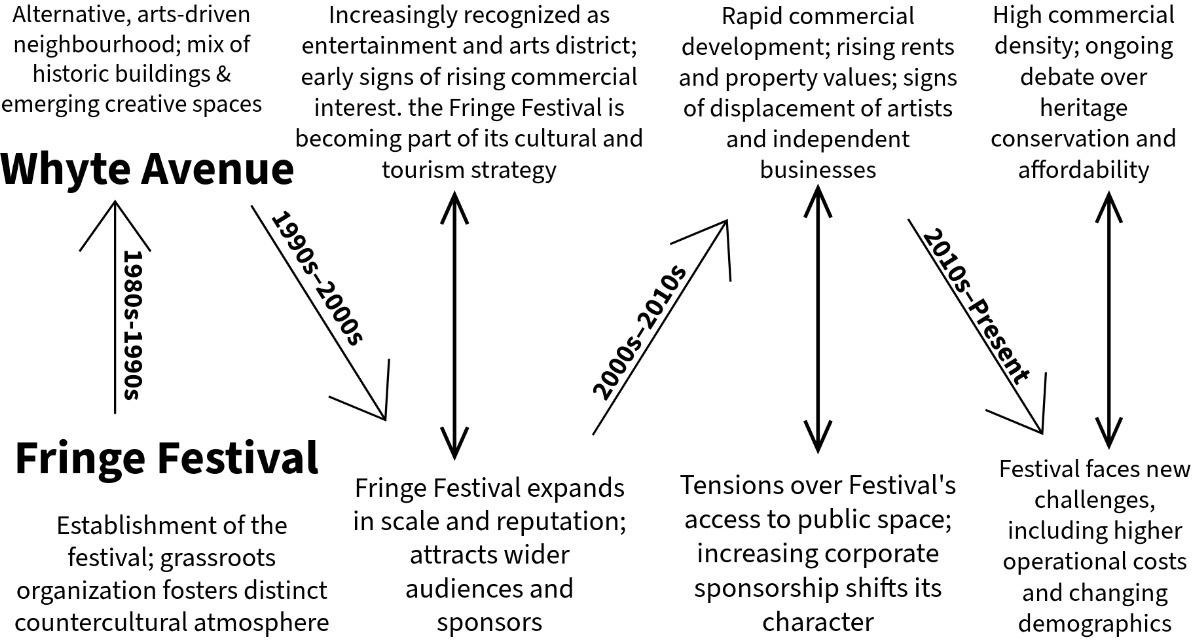
Figure 13: The Shared Stage of Co-Evolution
This visual synthesis illustrates the reciprocal and dynamic relationship between the Fringe Festival, Whyte Avenue, and Edmonton's broader urban policy context. The diagram traces a feedback loop of spatial transformation, identity formation, cultural production, and economic tensions, each influenced by the actions and policies of the other two. The researcher witnessed firsthand the layered changes that have unfolded over time, recognizing, as the theory of social identity suggests (Tajfel, 1981), that the neighbourhood's and the festival's identities are not static but have emerged through social action.
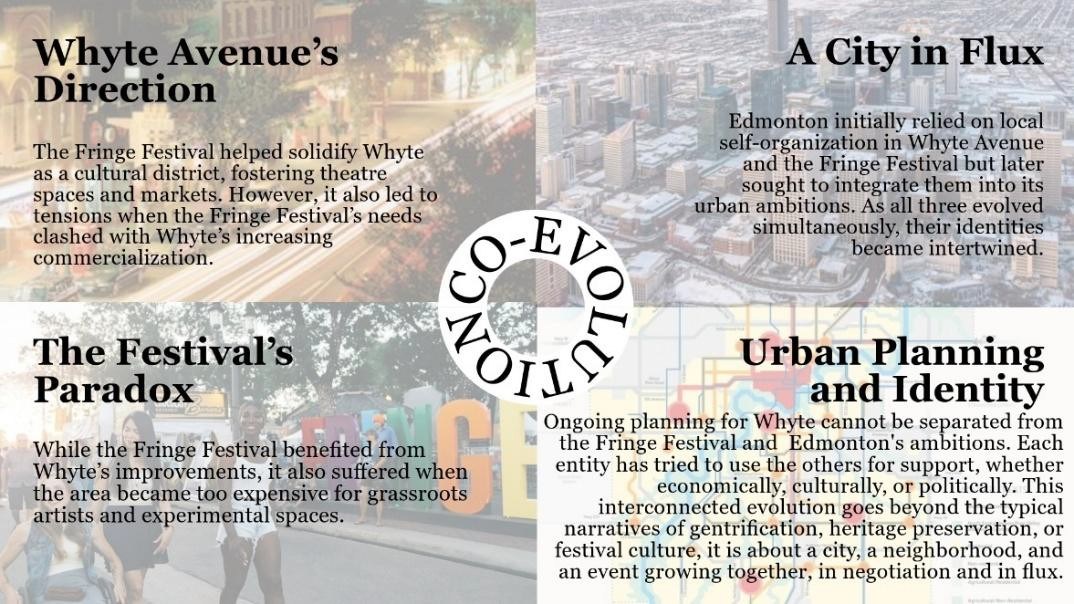
Figure 14: Timeline of Co-Evolution
This timeline illustrates the evolving relationship between Whyte Avenue, the Fringe Festival, and the city of Edmonton over time. It highlights key turning points in cultural, spatial, and policy developments, emphasizing how each has contributed to shaping the others across different periods of transformation. By reflecting on his own deeply embedded position within this evolving ecology, as a resident, a cultural performer, and a researcher, he aims to illuminate not only the underlying structural dynamics but also the deeply felt, lived stakes of these transformative processes. This thesis strives to offer a more nuanced understanding than prevailing critiques of gentrification often allow, while also challenging overly celebratory and uncritical visions of the creative city. The story of Whyte Avenue and the Fringe Festival transcends a simple account of cultural spectacle or spatial change; it is a complex, co-authored urban narrative sculpted by ongoing negotiation, and constant flux, a narrative in which his own personal and professional trajectory is inextricably implicated.
The researcher continuously grappled with the same issue: whether the focus of the paper should have been on the event itself, the neighbourhood it influences, or the interplay between the two. What is undeniably clear is the journey of a Greek individual who arrived in Edmonton in 2015 and is now documenting and studying an initiative that began 40 years ago. The initial financial investment of $50,000 and its far-reaching influence serve as a powerful testament to how a single idea can ripple through time and space, affecting future lives and realities in unforeseen ways. This event, which originated as a vibrant celebration of synchronistic theatre, has evolved into a profound exploration of how theatrical practice and the urban spaces it inhabits can be reimagined and redefined. It has fostered a unique and evolving form of communication across Canada, creating an organic network where local communities increasingly see themselves as stewards of their cultural spaces. The rich and multifaceted history of the Fringe Festival and Whyte Avenue is not merely relegated to dusty archives but actively lives on through the countless individuals who form its intrinsic core. These personal stories, whether passed down through oral tradition or meticulously documented in written form, constitute a crucial and vibrant thread in the cultural tapestry of the city of Edmonton.
The festival and the neighbourhood, deeply embodying shared cultural and communal values, have experienced parallel growth alongside their dedicated artists and enthusiastic audiences. They have collectively navigated through periods of significant triumphs and inevitable setbacks, persistent challenges and unforeseen opportunities, synchronizing their individual progress while steadfastly retaining their distinct identities. It is precisely this kind of dynamic and symbiotic relationship that injects vitality and resilience into a city's cultural heart, serving as an arena for "identity reinvention" (Benjamin, 1982). The articulated objectives of its initial organizers and ongoing urban planners continually intersect with the dynamic and often wonderfully chaotic energy of its diverse participants and engaged residents, generating new and evolving layers of meaning that can be preserved, creatively transformed, or subject to ongoing reinterpretation over time. The act of creating meaningful experiences, whether operating within or deliberately pushing beyond traditional economic frameworks, necessitates the fundamental freedom to experiment with a diverse range of artistic practices and evolving understandings of urban spaces. However, these very meanings, even when seemingly clearly defined and articulated, are perpetually subject to alternative interpretations and understandings. It is precisely this dynamic and continuous interaction that has cultivated an antifragile ecosystem that, despite its inherent inconsistencies and occasional challenges, demonstrably manages to sustain and organically nourish itself. This reflects the ongoing negotiation of identity within urban landscapes (Zamparini et al., 2023). In thoughtfully reflecting on the rich tapestry of the past and boldly envisioning the possibilities of the future, this paper underscores the profound significance and potential of the present moment. It highlights that, amidst the inherent uncertainties of life, uncensored and raw artistic expressions possess the remarkable power to deeply inspire, offer solace and healing, and ultimately elevate individuals beyond the confines of the ordinary. Compelling research, such as that conducted by Rathje et al. (2021), strongly supports the critical role of live theatre in significantly enhancing crucial social capacities such as empathy and pro-social behaviour, which are undeniably essential components for the long-term thriving and enduring strength of any vibrant community.
By thoughtfully bridging together these interconnected narratives, both the Fringe Festival and the Whyte Avenue neighbourhood actively engage in a collaborative and ongoing storytelling process that profoundly enhances their mutual understanding and deeper integration within the city's cultural landscape. Ultimately, this study, if nothing else, powerfully highlights how storytelling itself, a fundamental and enduring aspect of all cultural events, serves as a vital mechanism for exploring shared values, directly addressing pressing social issues, and significantly strengthening the crucial connections between cultural institutions and their diverse audiences. Storytelling, in its essence, emerges as a powerful and transformative force that not only accurately mirrors the community's complex cultural and social dynamics but also actively fosters its continued development and profound enrichment (Cameron, 2012). As a truly universal human activity, with roots stretching back to the very dawn of language, storytelling continues to captivate and resonate with us because it provides essential frameworks for understanding the contradictory world around us, fosters deep connections with others while simultaneously enhancing our ability to retain and process information more effectively. Throughout the entirety of human history, this fundamental act has remained absolutely central to the human experience and will undoubtedly continue to shape our understanding of ourselves and our communities in the years to come.
Bibliography
Abbott-Betts C. 2023, Creating the Colchester Fringe Festival: Finding the 'fringe' experience, Accessible at: https://repository.essex.ac.uk/38599/1/Creating%20the%20Colchester%20Fringe%20Festival.pdf. [31 March 2023].
Abrahams, S. 2018, Why Fringe Festivals are the centre point of our culture, Accessible at: https://www.artshub.com.au/news/opinions-analysis/why-fringe-festivals-are-the-centre-point-of-our-culture-255724-2359515/. [13 January 2022].
Abu-Lughod, L. 1992, Writing women's worlds: Bedouin stories, University of California Press, Berkeley.
Alberta Community Development 2000, Strathcona Historical Walking and Driving Tour, Edmonton, Alberta.
Antoneshyn, A. 2024, Edmonton International Fringe Theatre Festival facing program cuts without financial help, Accessible at: https://edmonton.ctvnews.ca/edmonton-international-fringe-theatre-festival-facing-program-cuts-without-financial-help-1.6812324. [20 March 2024].
Antoneshyn, A. & Mulcahy, K. 2024, Edmonton International Fringe Theatre Festival facing program cuts without financial help, Accessible at: https://www.ctvnews.ca/edmonton/article/edmonton-international-fringe-theatre-festival-facing-program-cuts-without-financial-help/. [10 April 2024].
Archer, M. 2023, Small Edmonton businesses feel economic pressure as construction obstructs access, Accessible at: https://globalnews.ca/news/9922126/small-edmonton-businesses-gateway-boulevard-rehabilitation-reconstruction/. [14 June 2023].
Axelsson, R., Angelstam, P., Elbakidze, M., Stryamets, N., and Johansson, K.-E. 2011, "Sustainable development and sustainability: landscape approach as a practical interpretation of principles and implementation concepts", Journal of Landscape Ecology, 4, pp. 5-30.
Babbie, E. 2011, Εισαγωγή στην Κοινωνική Έρευνα, Επιμ. Κ. Ζαφειρόπουλος, Εκδόσεις Κριτική, Αθήνα.
Babiak, T. 2011, Fringeopolis, for Those in Search of an Authentic Civic Identity; Working from the Bottom Up, Edmonton has Made this Wildly Successful Phenomenon our Own, Accessible at: http://www.edmontonjournal.com/2011/08/10/fringeopolis-for-those-in-search-of-an-authentic-civic-identity/. [11 May 2023].
Bakhtin, M. 1981, The Dialogic Imagination, University of Texas Press, Austin.
Bal, M. 1985, Narratology: Introduction to the theory of narrative, University of Toronto Press, Toronto.
Batchelor, B. 2015, "This Beer Festival Has a Theatre Problem!: The Evolution and Rebranding of the Edmonton International Fringe Theatre Festival", Theatre Research in Canada, 36, pp. 33-51.
Baudelaire, C. 1970, The painter of modern life and other essays, Phaidon, London.
Bauman, Z. 1994, "Desert spectacular– the flâneur" In K. Tester (Ed.), The flaneur, pp. 138-158, Routledge, London and New York.
Baxter, J. & Eyles, J. 1997, "Evaluating qualitative research in social geography: establishing 'rigour' in interview analysis", Transactions of the Institute of British Geographers, 22 (4), pp. 505-525.
Benjamin, W. 1982, Das Passagen-Werk, Suhrkamp, Frankfurt am Main.
Bennett, A., Taylor, J., & Woodward, I. 2014, The Festivalization of Culture, Ashgate, Chicago.
Berger, P., & Luckman, T. 1966, The Social Construction of Reality, Penguin Books, Harmondsworth, UK.
Beunen, R., Van Assche, K., & Duineveld, M. 2015, Evolutionary Governance Theory: Theory and Applications, Springer, Cham, Switzerland.
Blau, H. 1990, The Audience, Johns Hopkins University Press, Baltimore, MD.
Boer, R. 2023, Smooth City: Against Urban Perfection, Towards Collective Alternatives, Valiz, Amsterdam.
Bogad, L.M. 2006, "Activism Tactical Carnival: Social Movements, Demonstrations, and Dialogical Performance." In J. Cohen-Cruz, M. Schutzman (Ed.), A Boal Companion. Dialogues on Theatre and Cultural Politics, pp. 56-68, Routledge, New York, NY.
Bruni, L.E. 2021, "Cultural narrative identities and the entanglement of value systems" In N.-S. Drăgan (Ed.), Differences, Similarities and Meanings: Semiotic Investigations of Contemporary Communication Phenomena Vol. 30, pp. 121-146, Mouton de Gruyter, Berlin.
Cameron, E. 2012, "New geographies of story and storytelling", Progress in Human Geography, 36 (5), pp. 573-592.
CanadaHelps 2023, The Giving Report 2023: It's time for change, Accessible at: www.canadahelps.org/en/the-giving-report. [10 May 2023].
Canadian Heritage 2021, News Release: The Government of Canada Invests in Important Cultural Infrastructure Projects in Edmonton, Accessible at: https://www.canada.ca/en/canadian-heritage/news/2021/08/the-government-of-canada-invests-in-important-cultural-infrastructure-projects-in-edmonton.html. [21 March 2022].
Canevacci, M. 1995, The Anthropology of Visual Communication, Costa & Nolan, Genova.
CAPACOA 2024, COVID Impact Statistics – Canadian Association for the Performing Arts, Accessible at: https://capacoa.ca/en/research/covid-impact-statistics/. [17 January 2024].
CBC 2019, Century-old Whyte Avenue building tapped as provincial historic resource, Accessible at: https://www.cbc.ca/news/canada/edmonton/century-old-whyte-avenue-building-tapped-as-provincial-historic-resource-1.5233877. [8 January 2022].
Chan, S. 2019, Chapters: We Knew How This Story Would End, Accessible at: https://suzettechan.wordpress.com/2019/08/19/chapters-we-knew-how-this-story-would-end/comment-page-1/. [13 July 2020].
Checkel, J. T., & Katzenstein, P. J. 2009, European Identity, Cambridge University Press, New York.
Chinook Theatre Society 1991, Edmonton's Fringe Theatre Event The 1st decade 1982-1991, Chinook Theatre Production, Edmonton.
City of Edmonton 2025a, Strathcona Neighbourhood, Accessible at: https://www.edmonton.ca/city_government/edmonton_archives/strathcona-neighbourhood. [1 January 2025].
City of Edmonton 2025b, Plans in Effect, Accessible at: https://www.edmonton.ca/city_government/urban_planning_and_design/plans-in-effect. [21 January 2025].
City of Edmonton, 2019, Connections & Exchanges: A 10-Year Plan to Transform Arts and Heritage in Edmonton. Edmonton Arts Council, Accessible at: https://www.edmonton.ca/sites/default/files/public-files/documents/Connections_and_Exchanges_Final.pdf. [21 April 2023].
City of Edmonton 2018a, Plan Whyte-Whyte Avenue Commercial Area Land Use Study, Edmonton, Alberta.
City of Edmonton, 2018b, Edmonton's Urban Neighbourhood Evolution: Evolving Infill, Edmonton, Alberta.
City of Edmonton 2017, Bylaw 17848 A Bylaw to amend Bylaw 12800, as amended, The Edmonton Zoning Bylaw Amendment No. 2315, Edmonton, Alberta.
City of Edmonton 1998, Strathcona Area Redevelopment Plan. Edmonton Planning and Development, Edmonton, Alberta.
City of Edmonton 1981a, Edmonton General Municipal Plan, Vol 2, Policy Reports, Edmonton, Alberta.
City of Edmonton 1981b, Old Strathcona: area redevelopment plan bylaw, Edmonton, Alberta.
City of Edmonton 1972, General Plan for the City of Edmonton, Edmonton, Alberta.
City of Edmonton 1970, Whyte Avenue district plan: commercial study, Edmonton, Alberta.
City of Edmonton 1967, General Plan for the City of Edmonton, Edmonton, Alberta.
City of Edmonton 1963, General Plan for the City of Edmonton Part One, Edmonton, Alberta.
Cole, J. 2024, Are the Arts a Fringe Industry Now?, Accessible at: https://urbanaffairs.ca/edmonton-ish/are-the-arts-a-fringe-industry-now/. [25 March 2024].
Comunian, R. 2015, "Festivals as communities of practice: Learning by doing and knowledge networks amongst artists" In C. Newbold, C. Maughan, J. Jordan, & F. Bianchini (Eds.), Focus on festival: Contemporary European case studies and perspectives, pp. 53-65, Goodfellow Publishers, Oxford.
Cook, S. 2024, Edmonton Fringe Fest seeking donations as finances falter, Accessible at: https://www.cbc.ca/news/canada/edmonton/edmonton-fringe-fest-seeking-donations-as-finances-falter-1.7147675. [18 April 2024].
Crabtree, B.F., & Miller, W.L. 1992, Doing Qualitative Research: Multiple Strategies, Sage Publications, Newbury Park, CA.
Crespi-Vallbona, M., & Richards, G. 2007, "The meaning of cultural festivals: Stakeholder perspectives in Catalunya", International Journal of Cultural Policy, 13(1), pp. 103-122.
Creswell, J.W. 2007, Qualitative Inquiry & Research Design: Choosing Among Five Approaches, Sage Publishers, Thousand Oaks, CA.
Cruzat, L. 2024, Edmonton Fringe Festival explores 'scaling back' amid financial struggles, Accessible at: https://edmonton.citynews.ca/2024/08/24/edmonton-fringe-festival-explores-scaling-back/. [18 September 2024].
Cudny, W. 2016, Festivalisation of Urban Spaces Factors, Processes and Effects, Springer, Cham.
Czarniawska, B. 1998, A narrative approach to organization studies, Sage, Thousand Oaks.
Daly, D. 2024, Social Justice and Fringe Theatre in Higher Education, Accessible at: https://sites.google.com/nyu.edu/artspraxis/2024/volume-11-issue-1/daly-social-justice-and-fringe-theatre-in-higher-education?authuser=0. [30 April 2024].
Davis, A. & Martin, A. 2019, Festival Place or Place of Festival? The role of place identity and attachment in the festival environment, Accessible at: https://strathprints.strath.ac.uk/69899/1/Davis_Martin_AMC2019_The_role_of_place_identity_and_attachment_in_the_festival_environment.pdf [17 March 2024].
Dehaene, M. & De Cauter, L. 2008, Heterotopia and the City: Public Space in a Postcivil Society, Routledge, London.
Delaney, Z. 2024, The chameleon change of Edmonton's Whyte Avenue, Old Strathcona area, Accessible at: https://edmontonjournal.com/news/local-news/the-chameleon-change-of-edmontons-whyte-avenue-old-strathcona-area. [10 January 2025].
Delanty, G. 2013, Formations of European modernity: a historical and political sociology of Europe, Palgrave Macmillan, Basingstoke.
Deleuze, G. and Guattari, F. 1987, A Thousand Plateaus: Capitalism and Schizophrenia, University of Minnesota Press, Minneapolis.
Derrett, R. 2003, "Festivals and regional destinations: How festivals demonstrate a sense of community and place", Rural Society, 13 (1), pp. 35-53.
Deutsche, R. 1991, "Boys town", Environment and Planning D: Society and Space, 9, pp. 5-30.
Devismes, L. 2014 "Regional Events and Festivals in Europe: Revitalising Traditions and Modernizing Identities." In U. Merkel (Ed.), Power, Politic and International Events: Socio-cultural Analyses of Festivals and Spectacles, pp. 33-52, Routledge, London.
Duffy, M. 2014, "The Emotional Ecologies of Festivals", In J. Taylor and A. Bennett (Eds.), The Festivalization of Culture, pp. 229-250, Ashgate, Farnham.
Durkheim, E. 1982, The Rules of Sociological Method, The Free Press, New York.
Duxbury, N., Campbell, H., & Keurvorst, E. 2011, "Developing and revitalising rural communities through arts and culture", Small Cities Imprint, 3 (1), pp. 111-122.
Edmonton Historical Board 2021, Strathcona, Accessible at: https://www.edmontonsarchitecturalheritage.ca/index.cfm/neighbourhoods/strathcona/online. [10 April 2021].
Evans, G. 2001, Cultural planning: An urban renaissance? Routledge, London.
Falk, I. & Guenther, J. 2007, "Generalising from Qualitative Research: Case studies from VET in Contexts", paper presented at AVETRA 2007 - 10th Annual Conference, Victoria University, Footscray Park, AU.
Filewood, A. 2006, Vanguard Aesthetics in Working Class Theatre, Accessible at: https://www.gzpedmonton.org/media/transfer/doc/vanguard_aesthetics.pdf. [9 February 2023].
Finkel, R. & Platt, L. 2020, "Cultural Festivals and the City", Geography Compass, 14 (9), e12498, p. 1-12.
Florida, R. 2012, The Rise of the Creative Class, Revisited, Basic Books, New York.
Flyvberg, B. 2006, "Five misunderstandings about case-study research", Qualitative Inquiry, 12, pp. 219-245.
Foster, N. 2022, "From Urban Consumption to Production: Rethinking the Role of Festivals in Urban Development Through Co-Creation", Urban Planning, 7(3), pp. 379-393.
Fraser, N. 1991, "Rethinking the public sphere", Social Text, 8(3)-9(l), pp. 56-80.
Fredline, E., & Faulkner, B. 2000, "Host community reactions: A cluster analysis.", Annals of Tourism Research, 27(3), pp. 763-784.
Fringe Festivals 2023, About CAFF, Accessible at: https://fringefestivals.com/about-caff/#caff. [6 August 2023].
Fringe Theatre 2019, Data from Edmonton International Fringe Theatre Festival 2019, Fringe Theatre Adventures, Edmonton.
Fringe Theatre Adventures 2023, Volunteer, Accessible at: https://www.fringetheatre.ca/get-involved/volunteer/. [16 July 2023].
Fringe Theatre Adventures 2022, The Fringers' Almanac 1982- 2022, Fringe Theatre Adventures Society, Edmonton.
Fringe Theatre Adventures 2019, About Us, Accessible at: https://www.fringetheatre.ca/about-us/. [21 May 2019].
Fringe Theatre Adventures 2012, Chinook Theatre / Fringe Theatre Adventures- Historical Timeline, Accessible at: https://web.archive.org/web/20120516233434/http://fringetheatre.ca:80/history_timeline.php. [11 May 2017].
Gallant, C. 2024, Why one shop owner traded a storefront for a shipping container, Accessible at: https://edmonton.taproot.news/news/2024/09/25/why-one-shop-owner-traded-a-storefront-for-a-shipping-container. [5 November 2024].
Getz, D. 2010, "The nature and scope of festival studies", International Journal of Event Management Research, 5(1), pp. 1-47.
Gibson, C. 2024, 'Skyrocketing' expenses threaten the future of Edmonton International Fringe Theatre Festival, Accessible at: https://globalnews.ca/news/10367549/edmonton-international-fringe-festival-financial-struggles/. [12 April 2024].
Gibson, C. 2022, 2022 Edmonton Fringe Festival hailed a success, Accessible at: https://globalnews.ca/news/9076627/edmonton-fringe-festival-wraps-up-2022/. [20 December 2022].
Gieseking J. J., Mangold W., Katz C., Low S., Saegert S. 2014, The People, Place, and Space Reader, Routledge, Taylor & Francis Group, New York, NY.
Gold, J., & Gold, M. 2020, Festival cities: Culture, planning and urban life, Routledge, New York NY.
Gould, L. 2019, Has the Edinburgh Fringe Festival become too commercialised?, Accessible at: https://theboar.org/2019/09/has-edinburgh-fringe-become-too-commercial/. [18 April 2024].
Griwkowsky, F. 2022, Edmonton wins national Cultural Planning Award, MacEwan launches Zwozdesky artist residency, Accessible at: https://edmontonjournal.com/entertainment/local-arts/edmonton-wins-national-cultural-planning-award-and-macewan-launches-zwozdesky-artist-residency. [21 October 2023].
Grotowski, J. 2002, Towards a Poor Theatre, Routledge, New York, NY.
Gusfield, J. R., & Michalowicz, J. 1984, "Secular symbolism: Studies of ritual, ceremony, and the symbolic order in modern life", Annual Review of Sociology, 10 (1), pp. 417-435.
Harding, R. 2021, Fringe Festival returns in Edmonton., Accessible at: https://edmonton.ctvnews.ca/video/c2260156-fringe-festival-returns-in-edmonton. [20 August 2021].
Harvey, D. 2012, Rebel cities: From the right to the city to the urban revolution. Verso Books, London.
Harvey, D. 2008, "The Right to the City", New Left Review, 53, pp. 23-40.
Harvey, D. 1989a, The Urban Experience, Basil Blackwell, Oxford.
Harvey, D. 1989b. The Condition of Postmodernity: An Enquiry into the Origins of Cultural Change. Blackwell, Oxford.
Harvie, J. 2013, Fair Play: Art, Performance and Neoliberalism, Palgrave Macmillan, New York.
Häußermann, H. & Siebel, W. 1993' "Die Politik der Festivalisierung und die Festivalisierung der Politik. "Große Ereignisse in der Stadtpolitik." In H. Häußermann, W. Siebel, and D. Birklhuber (Ed.), Festivalisierung Der Stadtpolitik: Stadtentwicklung Durch Große Projekte, pp. 7-31, Springer Fachmedien GmbH, Wiesbaden.
Hayek, F.A. 1960, The Constitution of Liberty, University of Chicago Press, Chicago.
Hays, M. 2016, How the Edmonton Fringe revolutionized Canadian theatre, Accessible at: https://www.cbc.ca/arts/how-the-edmonton-fringe-revolutionized-canadian-theatre-1.3713735. [10 August 2018].
Hiebert, T. 2003, "Becoming Carnival: Performing a Postmodern Identity", Performance Research, 8(3), pp .113-125.
Hingston, M. 2016, Where a '90s tourist guide will take you in Edmonton, Alberta, Accessible at: https://medium.com/@michaelhingston/where-a-90s-tourist-guide-will-take-you-in-edmonton-alberta-fa36be4757b5. [16 May 2018].
Howarth, D. 2016, "Applying Discourse Theory: the Method of Articulation", In D. Howarth & J. Torfing (Ed.), Discourse theory in European politics: identity, policy and governance, pp. 316-347, Springer, London.
Ilyniak, S. 2017, Non-profiting for "a more inclusive creative city" Tracking the gentrification frontier from Toronto's downtown to the disinvested inner-suburbs, Accessible at: https://yorkspace.library.yorku.ca/items/dffe7fbb-af74-47a6-ac83-5a0c815f64e4, [30 April 2024].
Jackson, S. 2011, Social Works Performing Art, Supporting Publics, Routledge, London.
Jaeger, K. & Mykletun, R.J. 2013, "Festivals, identities, and belonging", Event Management, Vol. 17, pp. 213–226.
Jamieson, K. 2004, "Edinburgh: The festival gaze and its boundaries", Space and Culture, 7 (1), pp. 64-75.
Jang, K.M, Chen, J., Kang, Y., Kim, J., Lee, J., Duarte, F. & Ratti, C. 2024, "Place identity: a generative AI's perspective", Humanities and Social Sciences Communications, 11, 1156.
Jensen, J.L., & Rodgers, R. 2001, "Cumulating the intellectual gold of case study research", Public Administration Review, 61 (2), pp. 235-246.
Johansson, M., & Kociatkiewicz, J. 2011, "City festivals: Creativity and control in staged urban experiences", European Urban and Regional Studies, 18 (4), pp. 392-405.
Kaina, V., & Karolewski, I. P. 2013, EU governance and European Identity, Living Reviews in European Governance. Accessible at: http://www.europeangovernance-livingreviews.org/Articles/lreg-2013-1/download/lreg-2013-1Color.pdf. [13 June 2019].
Kern, L. 2020, Feminist City (Claiming Space In A Man Made World), Verso, London.
Kindleman, T. 2021, Edmonton looking at increasing grant funding for historic homes, Accessible at: https://www.cbc.ca/news/canada/edmonton/edmonton-looking-at-increasing-grant-funding-for-historic-homes-1.6034176. [21 June 2024].
Knowles, R. 2004, Reading the Material Theatre, Cambridge UP, Cambridge.
Landry, C. & Bianchini, F. 1995, The Creative City, Demos, London.
Laing, J., & Frost, W. 2010, "How green was my festival: Exploring challenges and opportunities associated with staging green events.", International Journal of Hospitality Management, 29(2), pp. 261-267.
Lee, E., Mishna, F., & Brennenstuhl, S. 2010, "How to critically evaluate case studies in social work.", Research on Social Work Practice, 20, (6), pp. 682-689.
Lees, L., Slater, T., & Wyly, E. 2008, Gentrification, Routledge, New York.
Levesque, R. 2022, The Fringe at 40 becomes a documentary story., Accessible at: https://edmontonjournal.com/entertainment/local-arts/the-fringe-at-40-becomes-a-documentary-story. [11 February 2023].
Lévi-Strauss, C. 1968, Structural anthropology, Allen Lane, London.
Lewicka M. 2011, "Place attachment: how far have we come in the last 40 years?", Journal of Environmental Psychology, 31, pp. 207-230.
Lincoln, Y.S., & Guba, E.G. 2000, "Paradigmatic controversies, contradictions, and emerging confluences" In N.K. Denzin & Y.S. Lincoln (Ed.), The Handbook of Qualitative Research (2nd Ed.), pp. 163-188, Sage Publications, Thousand Oaks, CA.
Longhurst, R. 2010, "Semi-structured interviews and focus groups.", In N. Clifford, S. French, & G. Valentine (Ed.), Key Methods in Geography, pp. 103-115, Sage Publications, London, UK.
Lynch, D. & Quinn, B. 2022, "Understanding the influence of place on festival making and artistic production in the local urban festival context", Journal of Policy Research in Tourism, Leisure and Events, 14 (3), pp. 242-261.
MacLeod, N. E. 2006, "The placeless festival: Identity and place in the post-modern festival", In D. Picard & M. Robinson (Eds.), Festivals, tourism and social change, pp. 222-237, Channel View Publications, Bristol.
Massey, D. 1994, Space, Place and Gender, Polity Cambridge.
McDonald, A. 2017, From Vacancies to Vibrancy, The History of Whyte Avenue's Revival from the 1960s to the 1980s [Unpublished paper], University of Alberta, Edmonton.
Merrington, P. 2016, Festival as process art, territory, assemblage and mobility in North East England 2003-2012, [PhD thesis, unpublished], Newcastle University, Newcastle.
Mitanis, M. 2018, Beljan Development to Transform Whyte Avenue's Historic Dominion Hotel , Accessible at: https://edmonton.skyrisecities.com/news/2018/01/beljan-development-transform-whyte-avenues-historic-dominion-hotel.30444. [8 January 2022].
Mouffe, C. 1988, "Radical democracy: modern or postmodern?", In A. Ross (Ed.), Universal Abandon? The Politics of Postmodernism, pp. 31-45, University of Minnesota Press, Minneapolis, MN.
Mould, O. 2015, Urban Subversion and the Creative City, Routledge, Abingdon.
Mroczek, B. 2023, Form and Function: Boxed In, Accessible at: https://edifyedmonton.com/urban/structures/form-and-function-boxed-in/. [2 November 2024].
Newman, K., & Wyly, E. K. 2006, "The right to stay put, revisited: Gentrification and resistance to displacement in New York City", Urban Studies, 43 (1), pp. 23-57.
Nicholls, L. 2013, Alberta views: At the Fringe. How a one-time experiment became Edmonton's loopy theatre-party extravaganza., Accessible at: https://albertaviews.ca/at-the-fringe/. [31 July 2019].
Norton, W. 2013, Human Geography, Oxford University Press, Canada.
Ogborn, M. 1991, "Book Review of Places on the margin: Alternative geographies of modernity: Rob Shields, (London, Routledge, 1991)", Journal of Historical Geography, Volume 17, Issue 4, pp. 495-497
Oktay, D. 2024, "Sustainable urbanism and identity: A holistic perspective for future cities", Perspectives in Architecture and Urbanism, Vol. 1, Issue 2, September 2024, Article 100016.
Old Strathcona Area Community Council 1997, Whyte Avenue Land Use Planning Study, Edmonton, Alberta.
Oldenburg, R. 1991, The Great Good Place, Marlowe & Company, New York, NY.
Oliver, D.G., Serovich, J.M., & Mason, T.L. 2005, "Constraints and opportunities with interview transcription: towards reflection in qualitative research", Social Forces, 84, (2), pp. 1273-1289.
Ostad, R. 2024, 'Expenses are skyrocketing': Edmonton fringe festival makes plea for support, Accessible at: https://edmontonjournal.com/entertainment/local-arts/edmonton-fringe-festival-makes-plea-for-support. [18 April 2024].
Paasi, A. 2009, "The resurgence of the 'region' and 'regional identity': theoretical perspectives and empirical observations on regional dynamics in Europe", Review of International Studies, 35, pp. 121-146.
Paasi, A. 1986, "The institutionalization of regions: a theoretical framework for the understanding of the emergence of regions and the constitution of regional identity", Fennia, 164, pp. 105-146.
Paterson, E. 1997, Ordering Chaos: The Canadian Fringe Theatre Phenomenon, [PhD thesis, unpublished], University of Victoria, Victoria, BC.
Payton-Lombardo, H. 2016, Fringe Festival's Business Development and Economic Impact, Accessible at: https://www.worldfringe.com/wp-content/uploads/2016/02/Fringe-Festival-BUSINESS-DEVELOPMENT-ECONOMIC-IMPACT.pdf. [31 March 2024].
Picard, D., & Robinson, M. 2006, Festivals, tourism, and social change: Remaking worlds. Channel View Publications, Bristol.
Pratt, A.C. 2011, "The cultural contradictions of the creative city.", City Culture and Society, 2(3), pp. 123-130.
Proshansky, H.M. 1978, "The city and self-identity.", Environment and Behavior, 10, pp. 147-169.
Quinn, B. 2010, "Arts festivals, urban tourism, and cultural policy.", Journal of Policy Research in Tourism, Leisure and Events, 2(3), pp. 264-279.
Quinn, B. 2005, "Arts festivals and the city.", Urban Studies, 42(5-6), pp. 927-943.
Rathje, S., Hackel, L., Zaki, J. 2021, "Attending live theatre improves empathy, changes attitudes, and leads to pro-social behavior", Journal of Experimental Social Psychology, 95 (2), pp. 104-138.
Relph, E. 1976, Place and Placelessness, Pion, London.
Richards, G., & Palmer, R. 2010, Eventful Cities: Cultural Management and Urban Revitalisation, Routledge, London.
Ropchan, D. 2024, Business leaders hope new development on Whyte Avenue will bring people, Accessible at: https://edmonton.citynews.ca/2024/07/12/business-leaders-hope-new-development-on-whyte-avenue-will-bring-people/. [10 January 2025].
Ryan, T. 2021, Festivals, social order and community engagement: The Big Scream Halloween Festival, North East Inner City, Dublin, Accessible at: http://festspace.net/festivals-social-orderand-community-engagement-the-big-scream-halloween-festival-north-east-inner-city-dublin/. [2 April 2023].
Sandercock, L. 2003, "Out of the closet: The importance of stories and storytelling in planning practice", Planning Theory and Practice, 4, pp. 11–28.
Saunders, M., Lewis, P. & Thornhill, A. 2009, Research methods for business students, 5th ed., Pearson Education, Harlow.
Schlichter, G. 2019, Fanbase Press Interviews Graydon Schlichter on the Upcoming Production of 'Crabbe and Goyle are Dead' (Hollywood Fringe Festival 2019), Accessed at: https://fanbasepress.com/press/interviews/theatre/item/10015-fanbase-press-interviews-graydon-schlichter-on-the-upcoming-production-crabbe-and-goyle-are-dead-hollywood-fringe-festival-2019/. [3 November 2022].
Scott, A. J. 2006, "Creative Cities: Conceptual Issues and Policy Questions.", Journal of Urban Affairs, 28(1), pp. 1–17.
Seidman, I. 2006, Interviewing as Qualitative Research: A Guide of Researchers in Education & the Social Sciences, 3rd Ed., Teacher's College Press, New York, NY.
Shields, R. 1991, Places on the Margin: Alternative Geographies of Modernity, Routledge, London.
Simmel, G. 1903, "Die Grossstädte und das Geistesleben", hrsg. von Th. Petermann, Jahrbuch der Gehe-Stiftung Dresden, 9 (1903), s. 185-206.
Slugoski, K. 2019, Whyte Avenue shop owner to close her 'baby' after 32 years, Accessible at: https://globalnews.ca/news/5714790/edmonton-whyte-avenue-clothing-shop-closes/. [10 January 2025].
Smith, A., Osborn, G. and Quinn, B. 2022, "Introduction: Festivalisation as a Contested Urban Strategy", In A. Smith, G. Osborn and B. Quinn (Eds.), Festivals and the City: The Contested Geographies of Urban Events, pp. 1-15, University of Westminster Press, London.
Smith, A. 2016, Events in the City: Using Public Spaces as Event Venues, Routledge, Abingdon.
Smith, A. 2012, Events and urban regeneration: The strategic use of events to revitalise cities. Routledge, London.
Smith, N. 1996, The new urban frontier: Gentrification and the revanchist city, Routledge, London.
Storey, S. 2024, "Creating Collective Identity: Geek Theatre, Fringe Festivals, and Fan Audiences", Performing Arts Resources, 36, 6, pp. 59-68.
Strathcona Historical Group 1973, Strathcona, the asset of heritage: a plan for the future, a proposal. Edmonton, Alberta.
Strange, T. & Bayley, A. 2008, Sustainable Development: Linking Economy, Society, Environment, OECD Insights, OECD Publishing, Paris.
Strong, M. 2004, Making Sense of Place: A Formative Case Study of Whyte Avenue, Edmonton, Alberta [Master's thesis, unpublished], University of Manitoba, Winnipeg.
Tajfel, H. 1981, Human Groups and Social Categories: Studies in Social Psychology, Cambridge University Press, Cambridge.
Tetnowski, J.A., Damico, J.S., & Damico, H.L. 2001, "Qualitative methods in stuttering: Describing postponement and avoidance behaviors", In H‐G Bosshardt, J.S. Yaruss, & H.F.M. Peters (eds.), Fluency Disorders: Theory, Research, Treatment and Self‐Help: Proceedings of the Third World Congress of Fluency Disorders in Nyborg, Denmark, pp. 219‐223, Nijmegen University Press, Nijmegen, The Netherlands.
Toneguzzi, M. 2024, Edmonton's Whyte Avenue Seeing Vacancies as Optimism Grows for Future Vibrancy Post-Pandemic [Interviews], Accessible at: https://retail-insider.com/retail-insider/2024/05/edmontons-whyte-avenue-seeing-vacancies-as-optimism-grows-for-future-vibrancy-post-pandemic-interviews/. [10 January 2025].
Tuan, Y. F. 1977, Space and Place: The perspective of experience. University of Minnesota Press, Minneapolis, MN.
Twigger-Ross, C. L., Bonaiuto, M., Breakwell, G. 2003, "Identity theories and environmental psychology,", In M. Bonnes, T. Lee, M. Bonaiuto (eds.), Psychological Theories for Environmental Issues, pp. 203-233, Ashgate Publishing Limited, Farnham.
Urban Planning Committee 2022, Edmonton Council Report – Heritage Resource Management Strategy, Accessible at: https://pub-edmonton.escribemeetings.com/filestream.ashx?DocumentId=136533. [1 January 2025].
Van Aalst, I. & Van Melik, R. 2012, "City festivals and urban development: Does place matter?", European Urban and Regional Studies, 19 (2), pp. 195-206.
Van Assche, K., Duineveld, M., Beunen, R., & Teampau, P. 2011, "Delineating locals: Transformations of knowledge/power and the governance of the Danube Delta", Journal of Environmental Policy & Planning, 13(1), pp. 1–21.
Vari, A. 2023, "Identity Construction and Placemaking through Literature and Festivalization in Secondary Cities", Journal of Urban History, 49 (1), pp. 233-239.
Waitt, G. 2008, "Urban Festivals: Geographies of Hype, Helplessness and Hope", Geography Compass, 2(2), pp. 513-537.
Wakefield, J. 2024, Edmonton Fringe Festival wraps up with strong ticket numbers, but falls short of $300,000 fundraising goal, Accessible at: https://edmontonjournal.com/news/local-news/edmonton-fringe-festival-wraps. [1 January 2025].
Wall, K. L. 2002, "Old Strathcona: Building Character and Commerce in a Preservation District", Urban History Review / Revue d'histoire urbaine, 30(2), pp. 28–40.
Walks, R. A., & Maaranen, R. 2008, "Gentrification, social mix, and social polarization: Testing the linkages in large Canadian cities", Urban Geography, 29 (4), pp. 293-326.
Ward, D. 2023, Most Young People, Especially Creatives, Can't Afford to Live in Big Cities, Accessible at: https://davidwardmedia.com/most-young-people-especially-creatives-cant-afford-to-live-in-big-cities/. [21 September 2024].
Willems-Braun, B. 1994, "Situating Cultural Politics: Fringe Festivals and the Production of Spaces of Intersubjectivity.", Environment and Planning D: Society and Space, 12, pp. 75-104.
Wynn, J. 2015, Music/City: American Festivals and Placemaking in Austin, Nashville and Newport, University of Chicago Press, Chicago, IL.
Yin, R. 2003, Case Study research. Design and Methods, Sage Publishers, Thousand Oaks, California.
Zamparini, A., Gualtieri, G., Lurati, F. 2023, "Iconic buildings in the making of city identity: The role of aspirational identity artefacts", Urban Studies, Sep. 60(12), pp. 2474-2495.
Zafiropoulos, Κ. 2012, Μεθοδολογία και Τεχνικές Κοινωνικών Επιστημών, Πανεπιστημιακές Σημειώσεις, Π.Μ.Σ Ευρωπαϊκές Πολιτικές Νεολαίας., Εαρινό Εξάμηνο 2011-12, Πανεπιστήμιο Μακεδονίας, Τμήμα Διεθνών και Ευρωπαϊκών Σπουδών, Θεσσαλονίκη.
Zafiropoulos, Κ. 2005, Πως γίνεται μια επιστημονική εργασία; Επιστημονική Έρευνα και Συγγραφή Εργασιών, Εκδόσεις Κριτική, Αθήνα.
Zhang, C.X., Fong, L.H.N., Li, S., Ly, T.P. 2019, "National identity and cultural festivals in postcolonial destinations", Tourism Management, Volume 73, pp. 94-104.
Zherdev, N. 2022, The Festivalization of the Creative City: A Study of Two Creative Quarters in Barcelona and Berlin, [PhD thesis, unpublished], UOC Open University of Catalonia, Barcelona.
Zimmerbauer K., Suutari T., Saartenoja A. 2012, "Resistance to the deinstitutionalization of a region: borders, identity and activism in a municipality merger.", Geoforum, 43, pp. 1065-1075.
Zizek, S. 1989, The sublime object of ideology, Verso, London.
Zukin, S. 1991, Landscapes of power: from Detroit to Disney World, University of California Press, Berkeley.